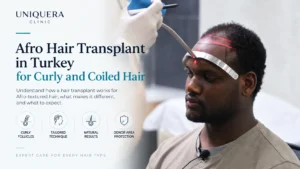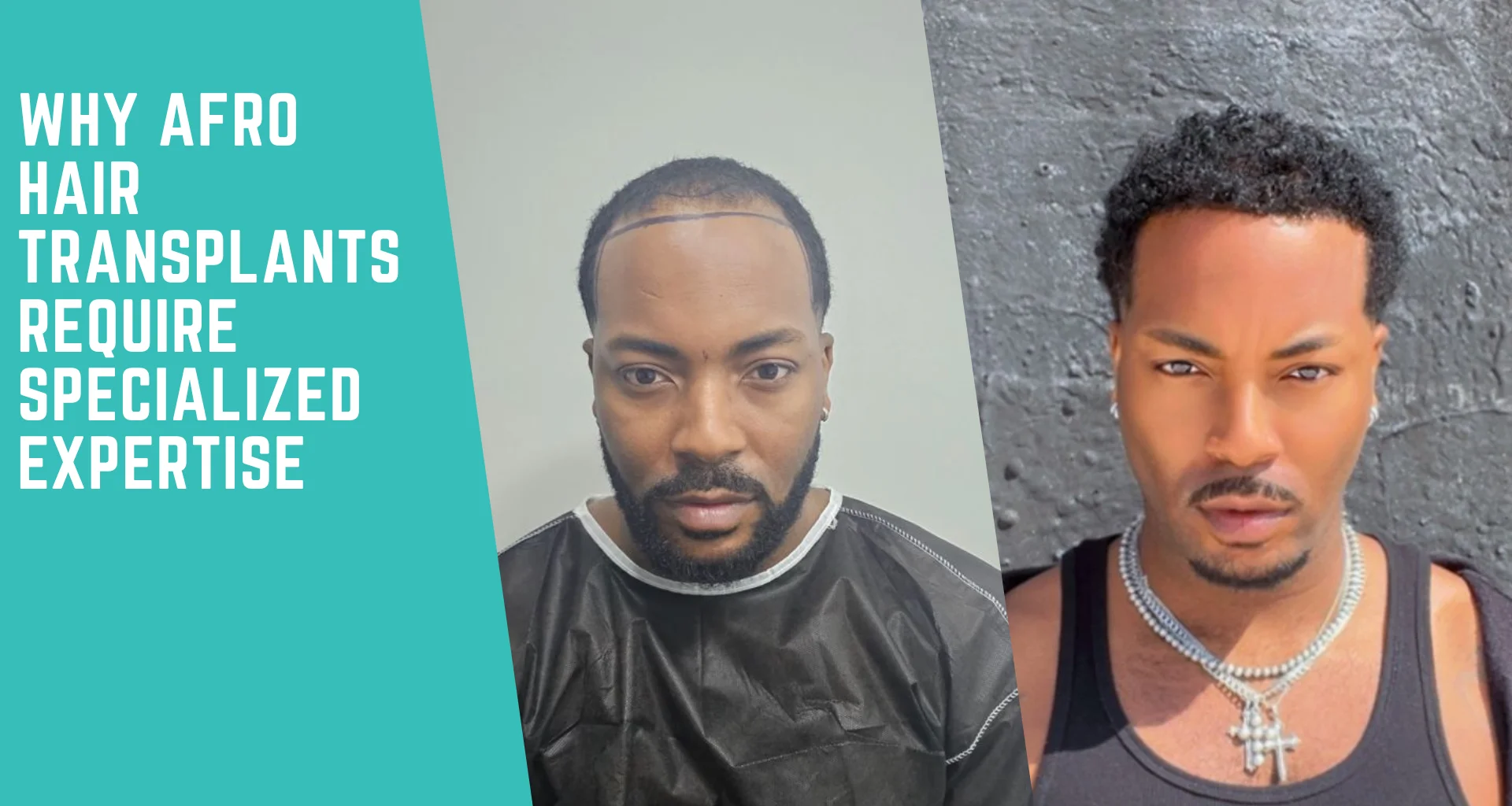

An Afro hair transplant uses the same core hair restoration methods as any other, but curved follicles and textured growth patterns can require different planning during extraction, placement, and hairline design.
If most of the results you’ve found online so far show straight hair, that gap is real. Afro-textured hair asks more of a clinic at nearly every stage, and the result usually shows whether that extra step was taken.
Your curl pattern, donor density, and growth direction all shape how a plan should be built. That’s where we start too, before we talk technique or timing. If you’d like to see how this plays out for your own hair, we can walk through it together in a consultation.
Your curl pattern, donor density and growth direction all affect the plan. Book a consultation with UniquEra for an assessment based on your own hair.
Three things change the plan once a transplant is underway:
| Factor | Why It Matters |
| The follicle may curve beneath the skin | Surface curl gives useful clues, but the exact subsurface path may only become clear during test or early extraction. |
| The hair shaft is often more elliptical than round | This contributes to curl and affects how grafts are handled. |
| Curly strands can create greater visual coverage | The required graft count still depends on donor supply, calibre, and treatment area. |
None of this makes Afro hair transplant harder to treat well. It means planning has to account for what’s happening under the skin, not just what’s visible above it. Our dedicated guide on Afro hair transplants in Turkey and their unique challenges explores this in full.
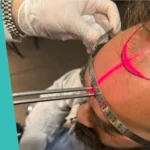
Tightly curled follicles may change direction beneath the skin. During manual FUE hair transplant procedures, the extraction angle, punch design, motion, and depth may need to be adjusted to reduce the chance of cutting the follicle.
Transection risk. A follicle can be cut during removal if the extraction approach doesn’t account for its curve.
Tool and rotation speed. Adjusted case by case to reduce that risk.
Adjustment mid-procedure matters more than a fixed method. A team that checks graft quality as they go, and adjusts when needed, is doing something different from one that applies the same method to every scalp.
Small clinical studies have reported lower follicle damage with extraction devices and methods developed to accommodate tightly curled follicles. Results still depend on the patient, the donor area, the tool, and the person performing the extraction.
During placement, the exit angle and orientation of each graft should be planned so the visible curl blends naturally with the surrounding hair.
| Stage | What May Need Additional Attention in Afro-Textured Cases |
| Extraction | Punch angle, motion, and depth may need to change as early grafts are inspected. |
| Graft inspection | The team should check for transection and adjust the extraction approach when needed. |
| Placement | Exit angle and visible curl direction should blend with the surrounding hair. |
| Hairline design | Shape and density should reflect the patient’s natural pattern, facial proportions, and preferences. |
Hairline design should reflect the individual patient’s natural pattern, curl, facial proportions, age, and preferences, not a single fixed template.
If you’ve already been given a general recommendation somewhere else, we’re happy to go through how extraction, placement, and hairline design would actually change for your case specifically.
Already received a generic recommendation? Book a consultation with UniquEra and ask how extraction, placement and hairline design would change for your case.
Curly and coily strands can create greater visual coverage, but that doesn’t produce a fixed graft-saving formula. The plan still depends on donor density, hair calibre, curl pattern, scalp contrast, and the size of the treatment area. A clinic promising a fixed percentage without examining your donor area first is guessing.
• Keloid scarring after FUE is considered rare, but anyone with a personal or family history of keloids or raised scars should discuss it during consultation.
• FUE leaves many small extraction points instead of one long incision, a real difference from strip harvesting. It does not remove the possibility of visible scarring altogether.
• A clinic that treats this as a non-issue for your hair type is skipping a conversation that should happen before surgery, not after.
• Avoid tight styles, braids, and weaves on both donor and recipient areas until your team confirms it’s safe.
• x`Follow the washing schedule closely. Grafts are most vulnerable in the first days.
• Ask which shampoos, moisturizers, or oils are safe during recovery. Don’t apply styling products or scalp oils to treated areas unless the clinic has approved them.
• Protect the donor area with the same care as the recipient area. It’s easy to focus only on the new hairline.
Ask these before you book. Our guide on red flags when choosing a hair transplant clinic in Turkey gives you an even broader checklist to apply before committing:
• Can you show complete Afro-textured cases with before, donor-area, and dated result photos?
• Do you perform test extractions or inspect the first grafts before continuing across the donor area?
• What happens if follicle damage shows up during the procedure?
• How is my hairline shape planned around my face and texture specifically?
• How do you screen for keloid or scarring history?
A team that answers these clearly, and is honest about what varies patient to patient, tells you more than a gallery of before-and-afters ever could.
At UniquEra, treatment plans are reviewed by Medical Directors with over a decade of hands-on hair transplant experience. If you’re considering an Afro hair transplant Turkey, it’s worth asking to see relevant, permissioned cases with a similar curl pattern and starting condition, here or anywhere else you’re comparing.
Not always, not immediately. Good candidacy usually depends on:
Stable donor density: enough healthy hair in the donor area to support the plan.
Stable hair loss: active, ongoing loss can affect how a plan holds up.
Traction alopecia: may be considered once the damaging tension has stopped and the area is stable.
Scarring alopecia: needs proper diagnosis and stability before transplantation is considered. In some cases, hair transplant repair techniques may also be relevant when previous procedures have caused additional damage.
Sometimes the honest answer at consultation is not yet. That’s part of protecting the donor area and planning for a result that remains natural over time.
Afro-textured hair isn’t harder to treat well. It’s different, and that difference has to shape the plan from the first assessment through to aftercare, not just the copy on a website.
If you want a plan built around how your hair actually grows, not a template borrowed from straight-hair cases, book your consultation with UniquEra today.
If you want a plan built around how your hair actually grows, book your consultation with UniquEra today.
An Afro hair transplant is a hair restoration procedure adapted for the curved follicle structure and growth pattern of Afro-textured hair, using the same core techniques as other transplants, adjusted for how Afro hair grows beneath the skin.
Because the follicle may curve beneath the skin in a way that’s not fully visible before extraction begins. Without adjustment during the procedure, more follicles can be damaged.
Yes. Outcomes depend more on how extraction and placement account for curl pattern and growth angle than on hair type alone.
Curly hair can create more visible coverage per graft, but the exact number still depends on donor density, calibre, and treatment area. There’s no fixed formula that applies to everyone.
It depends on the individual. Keloid scarring after FUE is considered rare, but any personal or family history should be discussed at consultation since it affects planning.
Someone with stable hair loss and enough donor density to support the treatment area. Active traction alopecia or scarring alopecia may need to be addressed first.
Sometimes. A transplant may be considered once the damaging tension has stopped and the hair-loss area is stable. A medical assessment is needed to confirm whether follicles remain active or permanent scarring has developed.