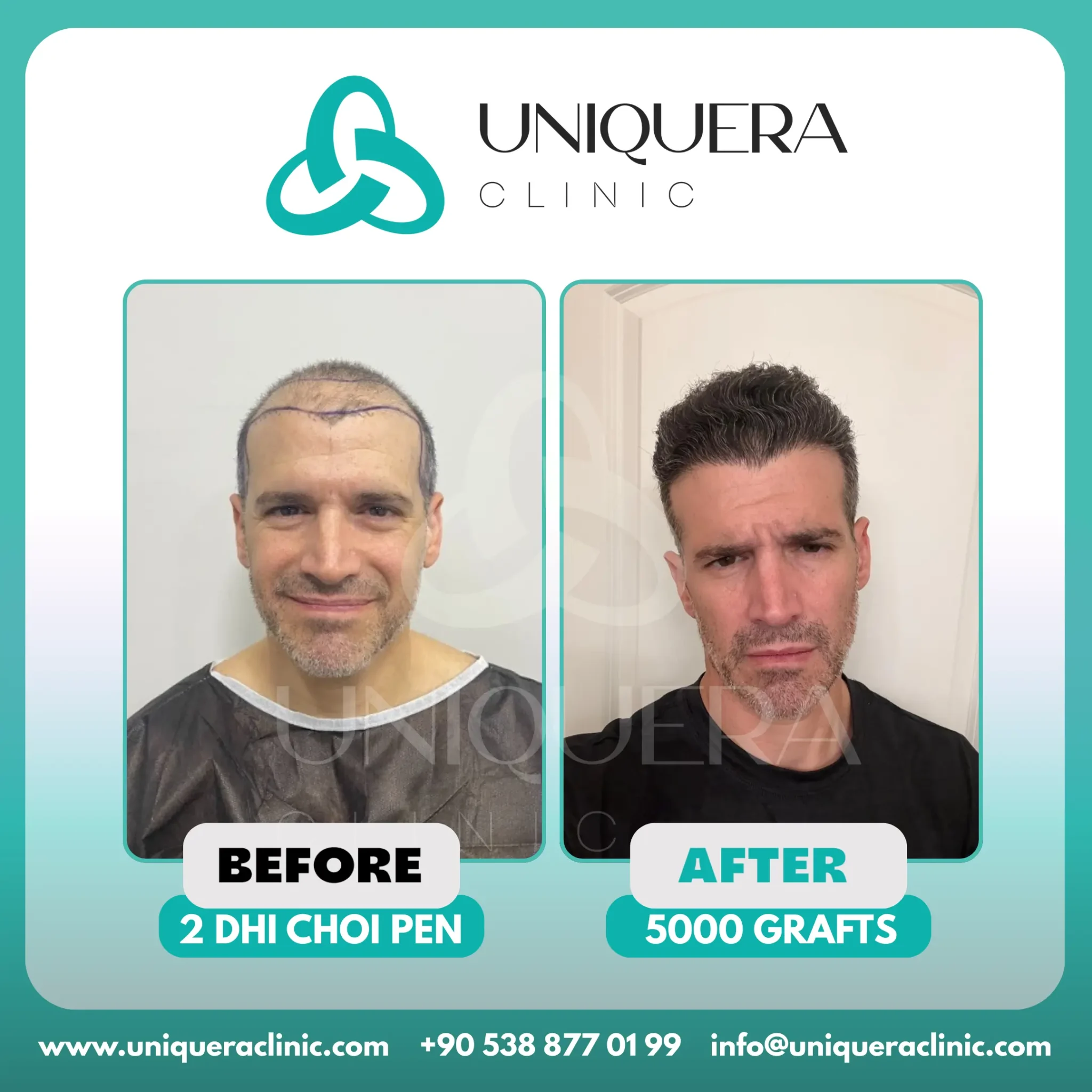
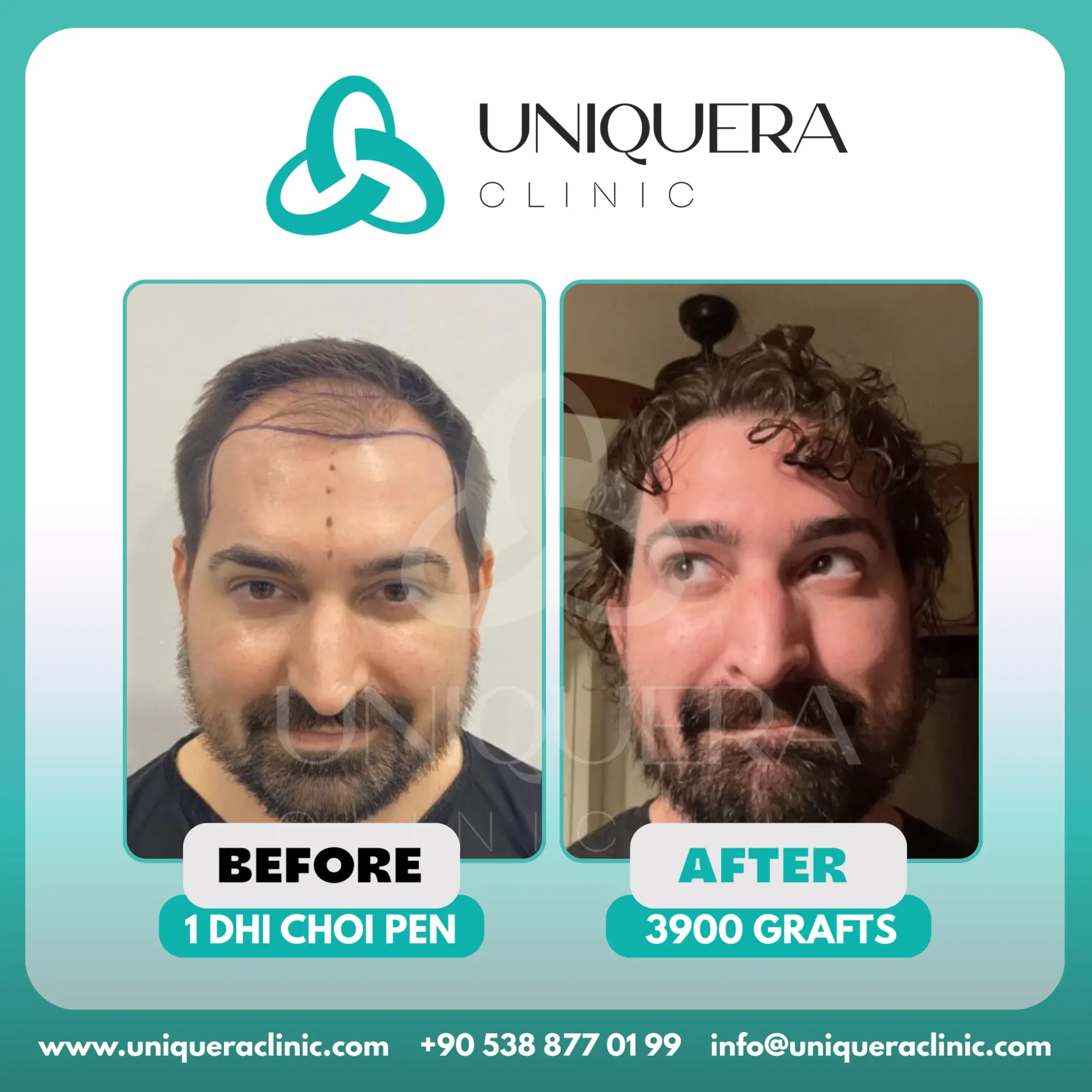
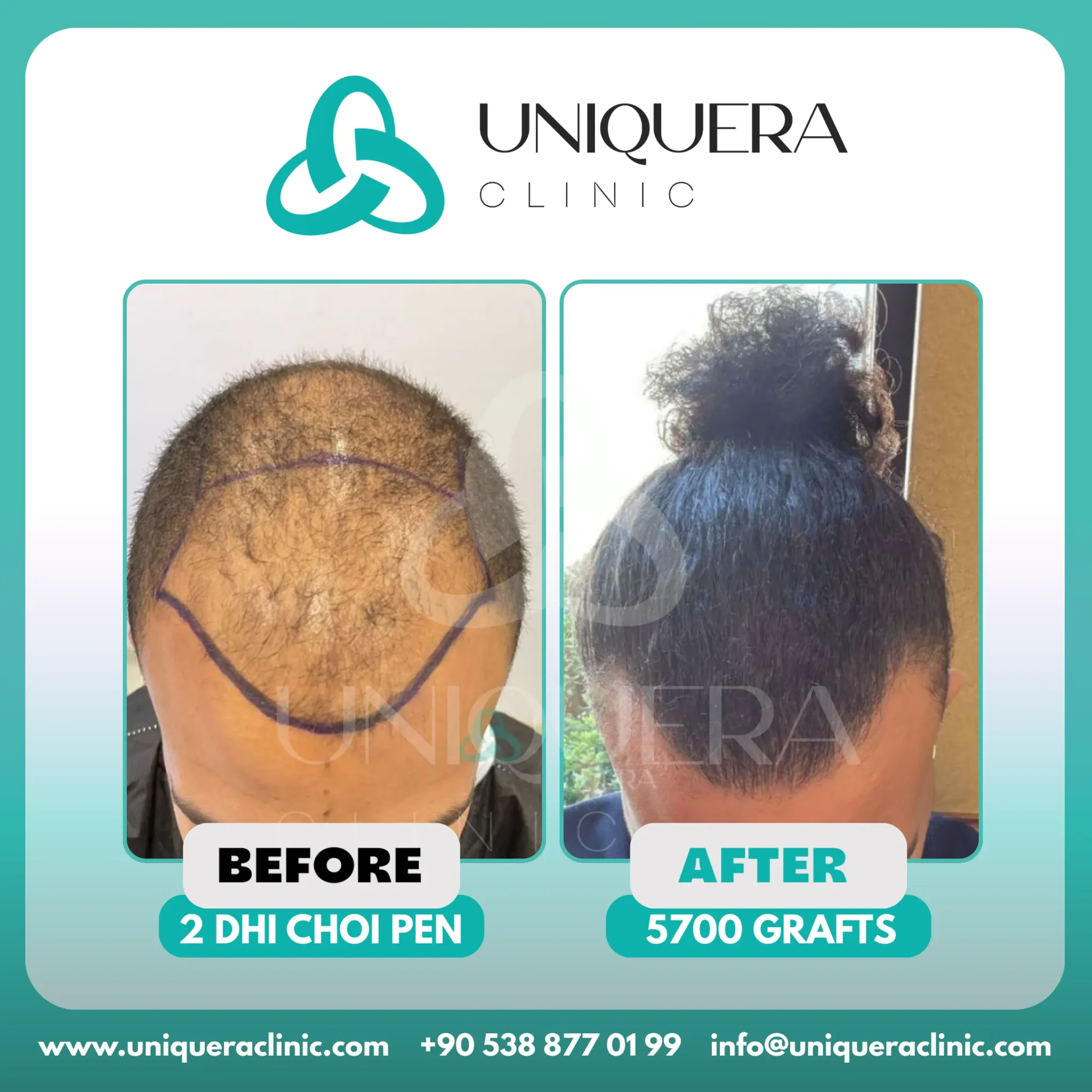
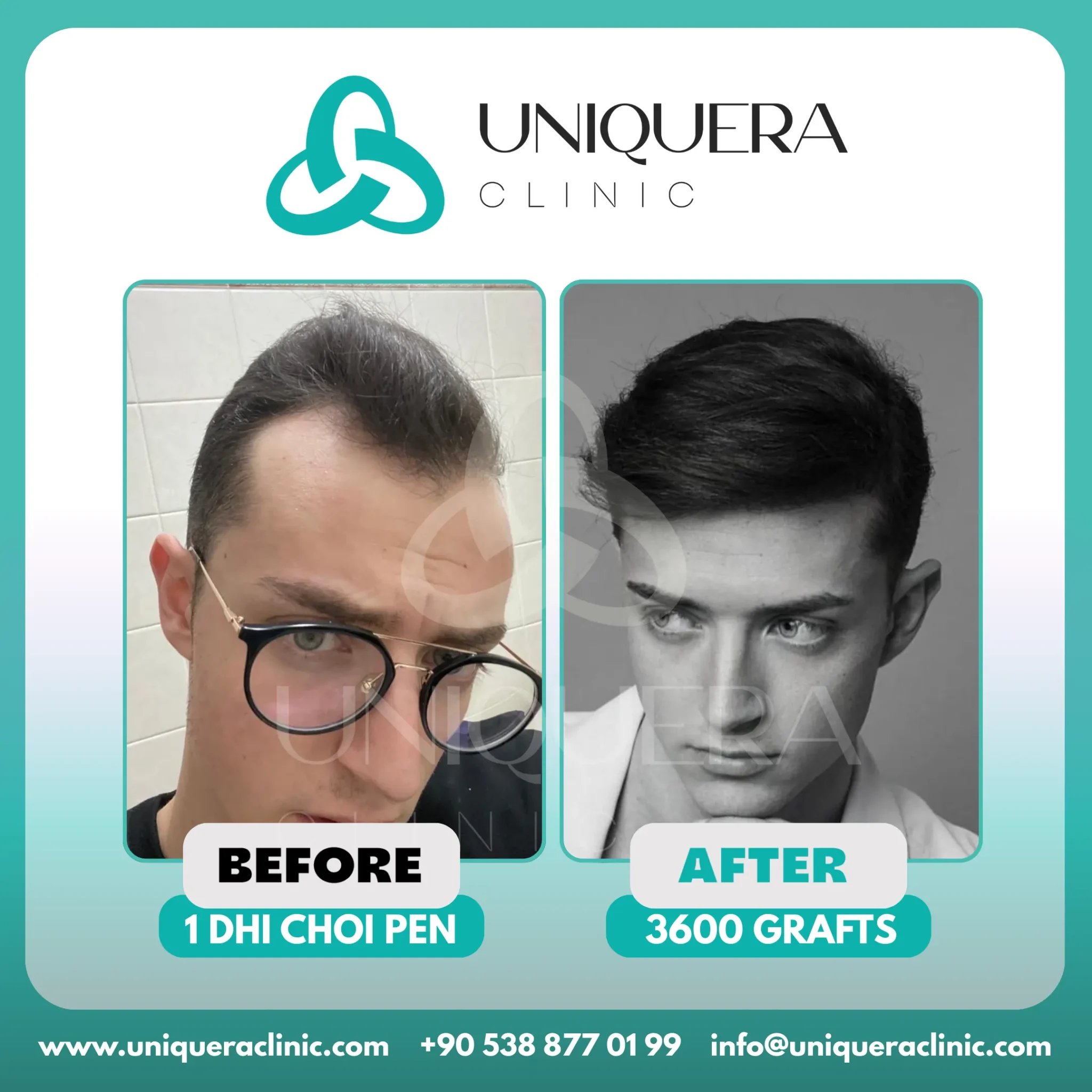
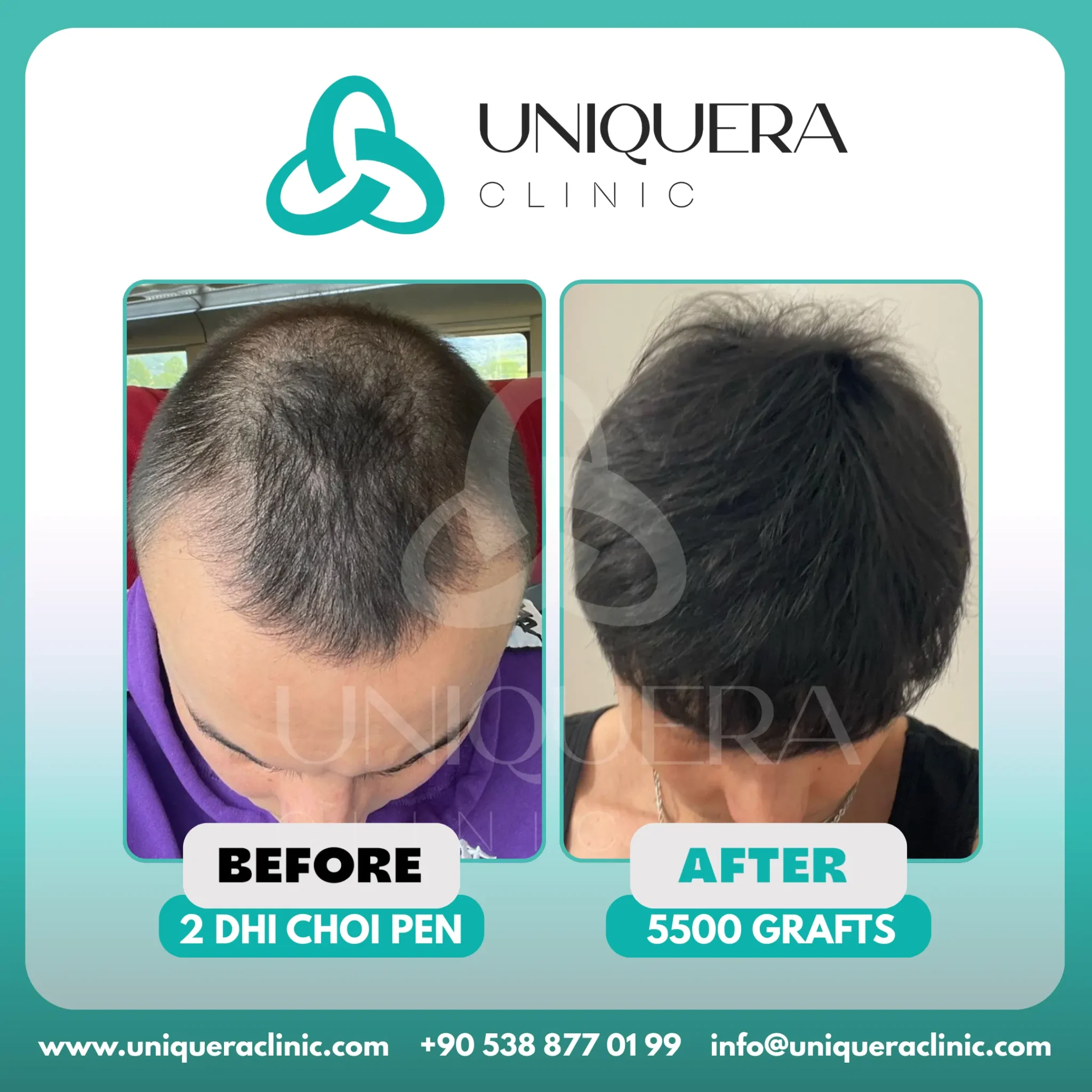
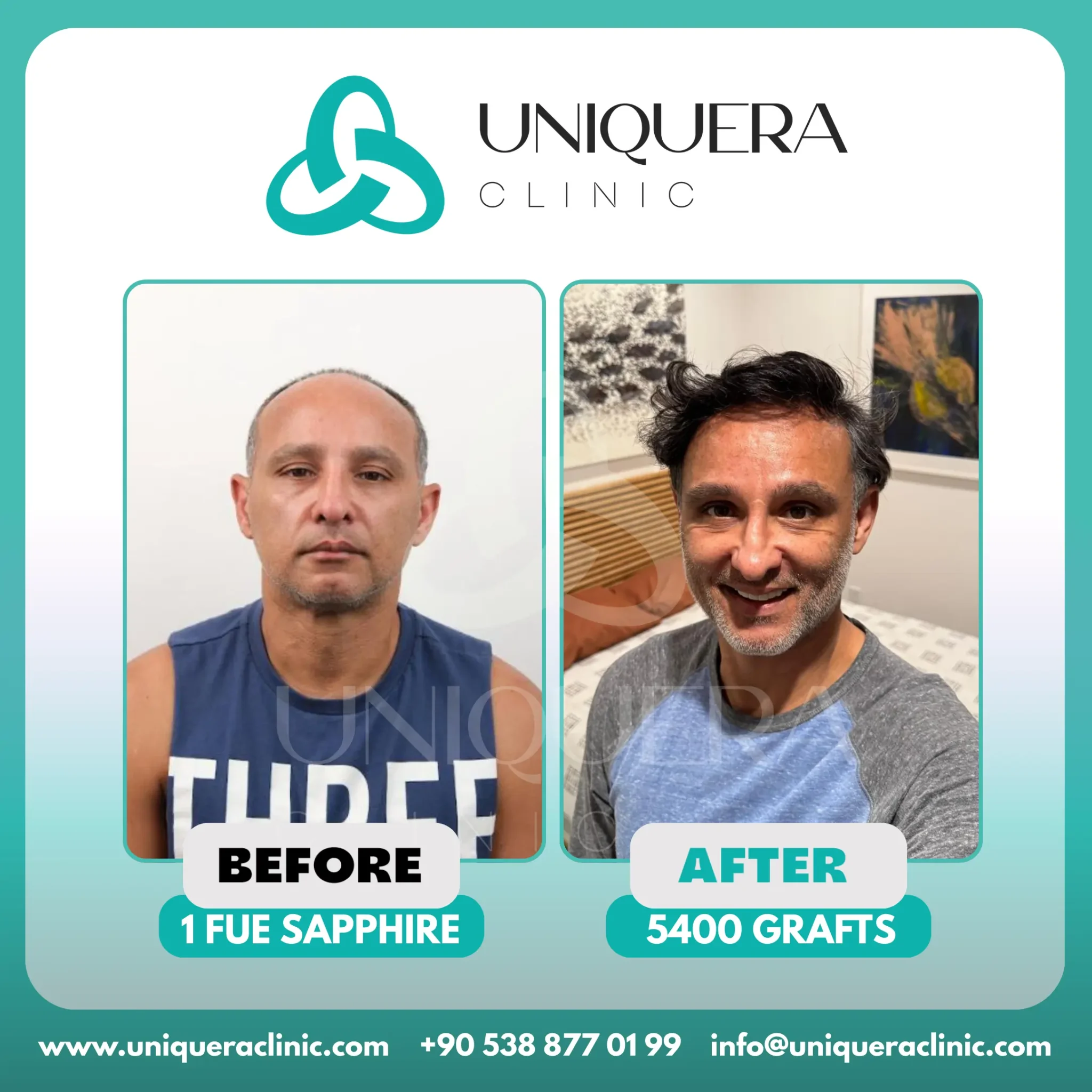
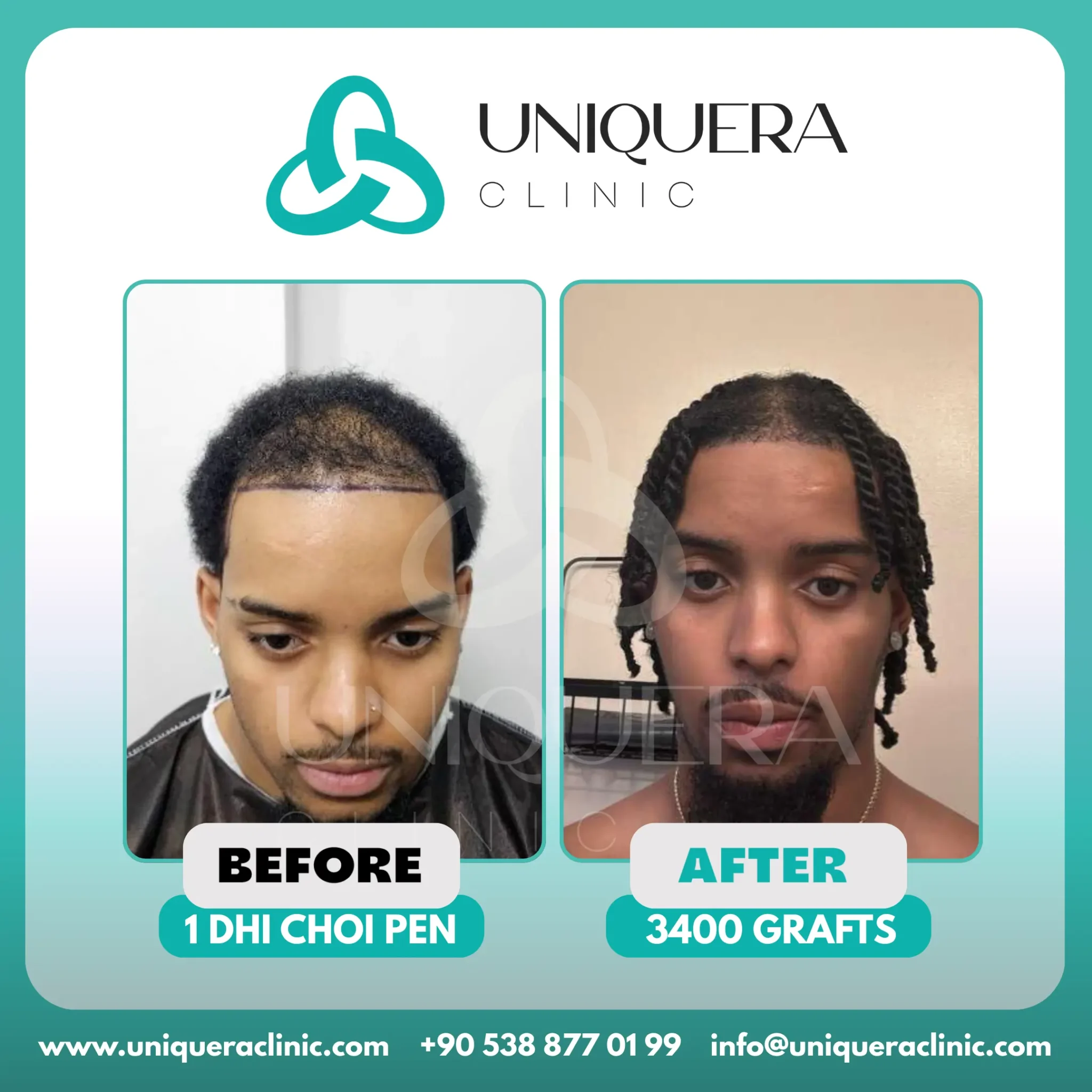
Experts Who Understand Every Curl
Yes, afro-textured hair can be transplanted successfully. It features tight curls, curved follicles beneath the skin, and dense natural patterns that demand specialist knowledge most clinics simply don’t have.
At UniquEra, Afro hair transplants are performed by medical directors experienced specifically in the safe extraction and implantation of curly hair follicles, never handed off to a general technician. Every case is approached with precision to protect follicle integrity and preserve your natural curl pattern.
Curly hair follicles are curved beneath the skin, making them significantly more likely to be damaged by standard extraction. Off-the-shelf FUE methods aren’t built for this. Our team uses
An Afro hair transplant may be suitable for men and women with Afro-textured or tightly curled hair who have a healthy, stable donor area.
Your suitability depends on your donor area, type of hair loss, scalp condition, and long-term hair loss pattern. These are assessed before a transplant is recommended.
Full scalp evaluation to analyse curl pattern, follicle depth, and hair direction.
Manual punches or adjusted micro-motor settings are used to safely extract curled follicles
Grafts are stored in a medical solution to maintain vitality and improve survival rates.
Follicles are implanted at precise angles and depths to replicate natural curl flow and density.
PRP is applied to aid healing, along with a personalised aftercare plan.
The cost of an Afro hair transplant in Turkey depends on the extent of hair loss, donor area, curl pattern, and complexity of the treatment plan.
At UniquEra Clinic, your price is confirmed after your assessment. We use fixed package pricing with no per-graft charges or hidden fees.
An Afro hair transplant in Turkey can also cost less than comparable treatment in the US or UK, while giving international patients access to a complete treatment and travel package.
Afro-textured hair requires careful extraction because the follicle can curve beneath the skin. Treatment planning also needs to account for curl direction, density, donor preservation, and the patient’s natural hairline.
At UniquEra Clinic, the approach is adapted to these characteristics rather than using the same plan for every hair type.
Turkey is a popular destination for international patients considering an Afro hair transplant, combining access to hair restoration clinics with lower treatment costs than many options in the US or UK.
Afro-textured hair thins and recedes for reasons that often differ from straight or wavy hair. Knowing the cause shapes the right treatment plan.
repeated tension from tight braids, weaves, locs, or wigs pulls on the follicle root over years, causing gradual recession at the hairline and temples.
relaxers, texturizers, and frequent heat styling can weaken follicles over time.
the same hereditary pattern behind male and female pattern baldness affects Afro-textured hair too.
conditions such as central centrifugal cicatricial alopecia (CCCA) are more common in Afro-textured hair and are ruled out or managed before any transplant is scheduled.
We also restore beards and eyebrows for Afro-textured hair using curl-preserving extraction and implantation techniques for a natural finish.
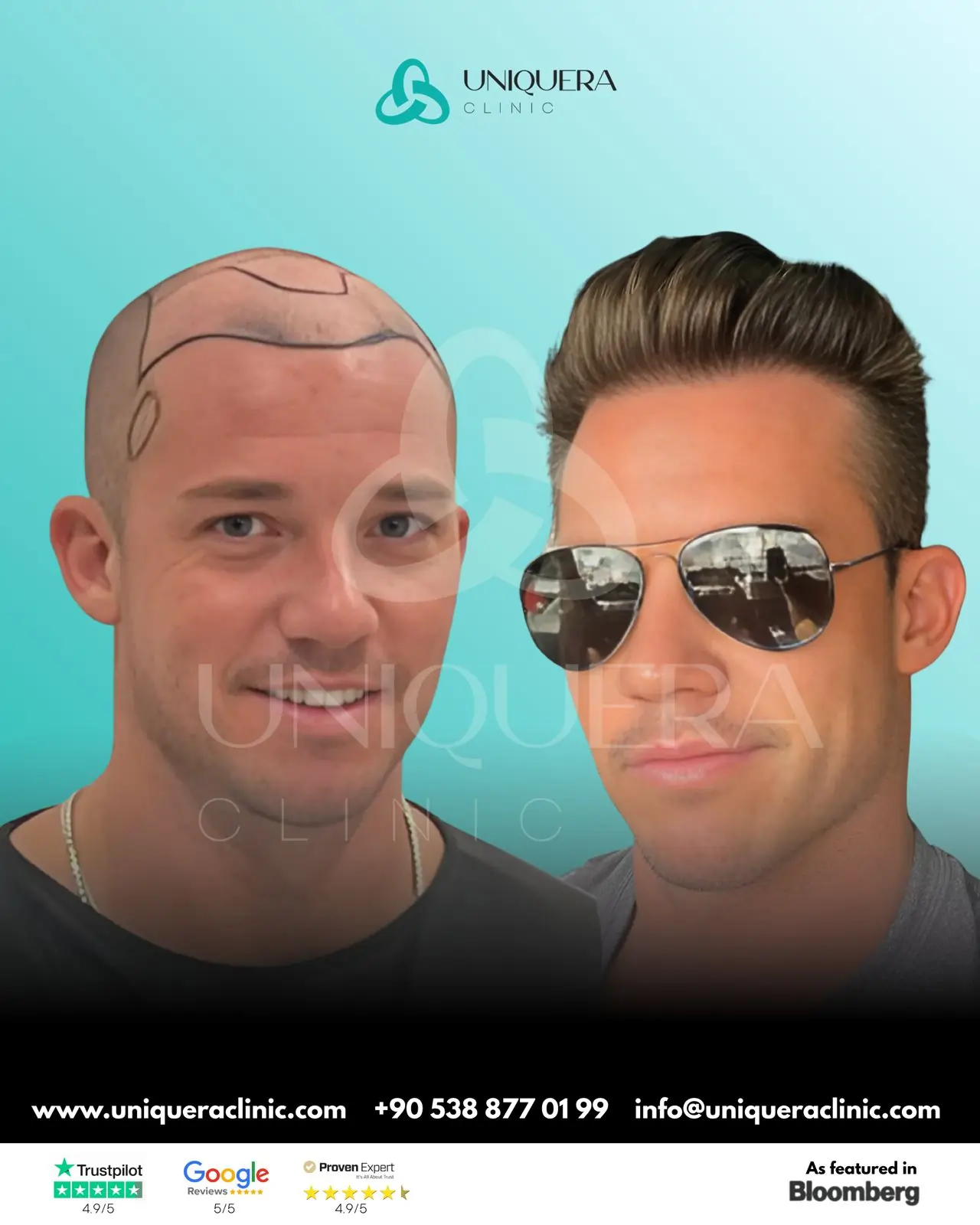
Schedule a free consultation for a graft assessment based on your hair loss, donor area, and long-term goals. Clear answers before you make any decision.
The cost depends on your hair loss, donor area, curl pattern, and treatment plan. At UniquEra Clinic, pricing is fixed after your assessment, with no per-graft charges or hidden fees.
Yes. Afro-textured hair can be transplanted successfully. Because the follicles often curve beneath the skin, extraction and implantation need to be adapted to the individual curl pattern to reduce follicle damage and preserve natural growth.
Transplanted follicles are generally taken from donor areas that are more resistant to pattern hair loss and can provide long-lasting growth. However, existing non-transplanted hair can continue to thin, which is why long-term hair loss and donor planning are important.
“Hair transplant” is the clinically appropriate term. “Afro hair implants” is sometimes used when searching for the procedure, but a hair transplant involves moving your own hair follicles rather than using artificial hair implants.
There is no single best technique for every Afro hair transplant. FUE and DHI can both be considered depending on your follicle characteristics, donor area, area being restored, and treatment goals. The most suitable technique is recommended after your assessment.
Yes, it can be performed safely in suitable patients. Your assessment should consider your skin and scarring history, including any tendency toward raised or keloid scars, before surgery is recommended.
There is no standard graft number. It depends on the size of the area being restored, existing density, donor supply, hair characteristics, and the coverage required. Your estimated graft requirement is determined during your assessment.
Yes. Some women with Afro-textured hair may be suitable candidates, including selected cases of stable traction alopecia or pattern hair loss. The cause and stability of the hair loss and the available donor area need to be assessed first.
Most UniquEra Clinic patients stay for 2–3 nights, allowing time for the procedure and initial post-operative care. Your exact travel schedule is confirmed before your trip.
The goal is a result that blends naturally with your existing hair. Hairline shape, graft direction, angle, curl pattern, and density are planned around your individual hair characteristics rather than using the same design for every patient.
In selected cases, yes. A transplant may be considered when traction has stopped, the hair loss is stable, and the scalp is suitable for transplantation. If scarring or active inflammation is present, further assessment may be needed before surgery is considered.
They may be combined in suitable cases, depending on your donor supply, the areas being treated, and the overall treatment plan. This is determined during your assessment.
Use the “Book Your Free Consultation” button on this page, or message us directly on WhatsApp with your photos and details for an initial assessment.