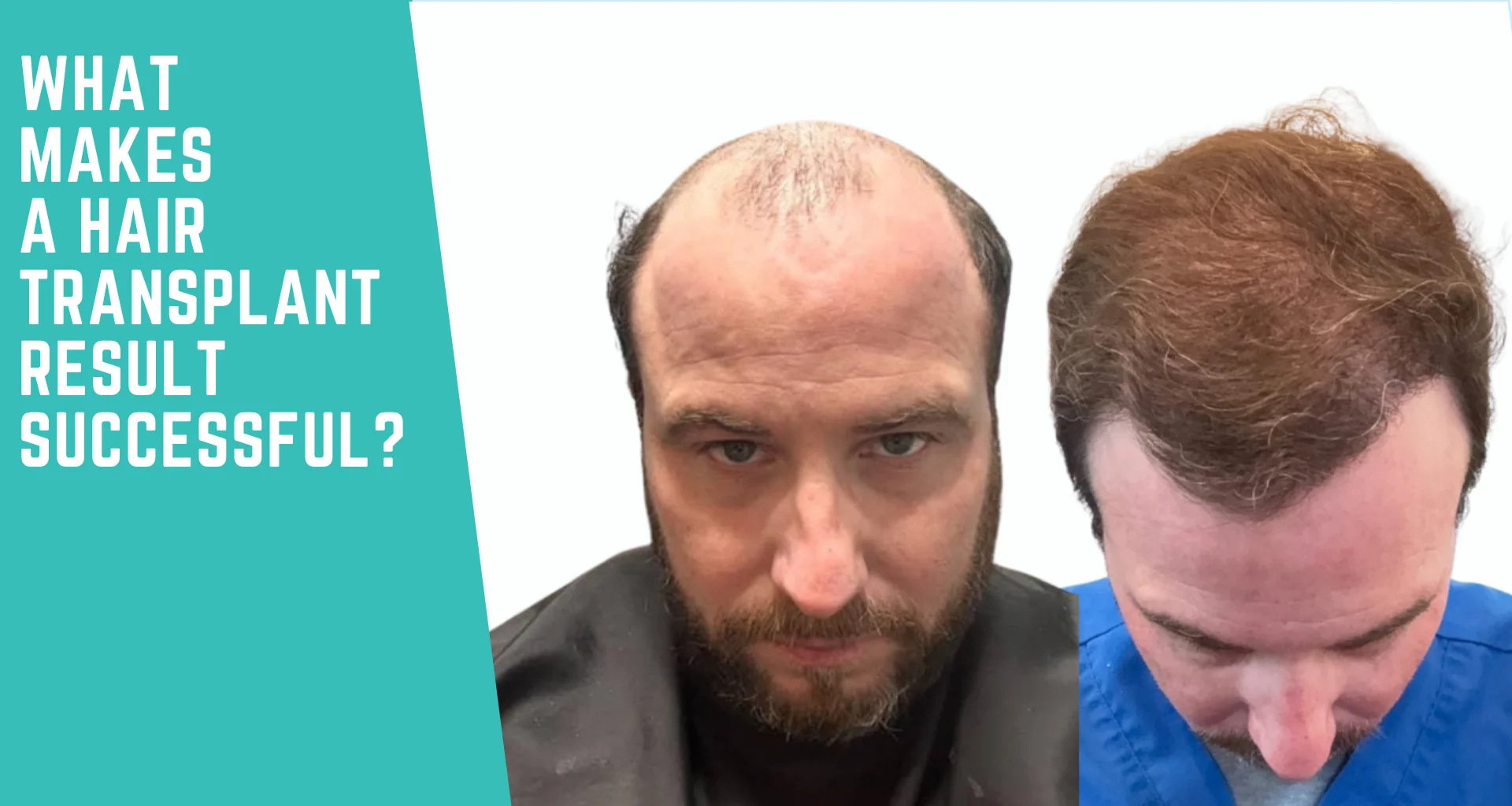

A hair transplant result is successful when it achieves the planned coverage, looks natural, preserves the donor area, and continues to make sense as the patient’s native hair changes over time.
At UniquEra Clinic, we do not judge success by graft count or growth alone. We compare the result against the treatment plan made before surgery.
That includes hairline design, coverage of the planned treatment zones, density distribution, angle and direction of transplanted hair, donor-area appearance, follow-up development, and how the result fits with future hair loss.
A transplant can show good growth and still fall short if the hairline looks unnatural, the donor area is overharvested, or the result does not account for continued thinning.
That is why we measure the whole result, not just whether the grafts grew.
| Success criterion | What we assess |
| Planned coverage. | Whether the intended treatment zones gained the expected coverage. |
| Hairline design. | Whether the height, contour and frontal transition suit the patient. |
| Density distribution. | Whether grafts were distributed appropriately across different zones. |
| Angle and direction. | Whether transplanted hairs follow the intended natural growth pattern. |
| Donor appearance. | Whether extraction leaves the donor area visually balanced. |
| Native hair progression. | Whether the result continues to work as non-transplanted hair changes. |
| Follow-up development. | How the transplant develops through scheduled reviews. |
You should expect the coverage planned for your individual treatment area, not a specific density based only on graft count.
Coverage depends on:
Two patients receiving the same number of grafts can achieve very different visual coverage.
This is why we compare the result with the patient’s original treatment plan rather than another person’s graft count.
Read How UniquEra Clinic Designs a Personalized Hair Transplant Plan for how graft numbers and treatment zones are decided before surgery.
A good transplanted hairline should look natural for the patient’s face, age and existing hair rather than simply being as low or dense as possible.
For a receding hairline transplant, we look at:
A very dense hairline can still be a poor result if the shape looks artificial or does not fit the patient’s long-term hair-loss pattern.
Read Our Hairline Design Philosophy: Why Natural Always Wins for more on how UniquEra Clinic plans the frontal line.
Yes, selected patients with diffuse thinning may be suitable for a hair transplant, but success depends on how transplanted grafts work with the native hair already present.
A diffuse thinning hair transplant is different from treating a completely bald area.
We need to consider:
For this type of case, success cannot be judged only by how many grafts were implanted.
Read How UniquEra Clinic Assesses Long-Term Hair Loss Before Surgery for how progression is considered before treatment.
Yes. A successful hair transplant should improve the recipient area without leaving the donor area visibly depleted or patchy.
The donor area is part of the final result.
After healing, we consider:
A strong-looking hairline does not make up for an overharvested donor area.
See How We Prevent Overharvesting During Hair Transplant Surgery for how donor extraction is planned.
Some hair transplant problems can be improved, but what can be repaired depends on the problem and how much usable donor hair remains.
A hair transplant repair may be considered for:
Success in a repair case should be measured against the specific problem being corrected.
For one patient, that may mean softening an unnatural frontal edge. For another, it may mean improving coverage or correcting direction.
A repair cannot recreate donor follicles that have already been permanently removed.
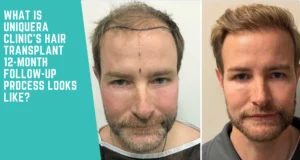
You cannot accurately judge the final result in the first few months because transplanted hair continues to grow and mature over time.
At UniquEra Clinic, follow-up can include reviews around:
These checkpoints allow the developing result to be compared with the original treatment plan and photographic documentation.
Early growth shows progress. It should not be treated as the final result.
Not necessarily. Graft growth is important, but hair can grow and the overall result can still fall short.
For example:
| The grafts grow, but… | Why the result may still be unsuccessful |
| The hairline looks too rigid. | The frontal result may appear artificial. |
| Hair grows in the wrong direction. | It may not blend naturally with existing hair. |
| Density is uneven. | Some areas may still look visibly weak. |
| The donor is overharvested. | The back or sides may appear depleted. |
| Future loss was ignored. | New thinning may make the transplant look disconnected. |
This is why UniquEra Clinic does not use graft growth alone as the definition of success.
It can, but only if future native hair loss was considered when the original transplant was planned.
A hair transplant does not stop non-transplanted follicles from continuing to thin.
The treatment plan therefore needs to consider what may happen if:
Read How UniquEra Clinic Preserves Your Donor Area for Future Hair Loss for how future donor requirements are considered from the first procedure.
Look at the complete result, not just whether you have more hair than before.
Ask:
A hair transplant result is successful when these elements work together.
Want to understand what a successful result should realistically look like for your own hair-loss pattern? Send UniquEra Clinic your photos for an assessment of your recipient area, donor supply and treatment goals.
Look at coverage, natural appearance, hair direction, donor condition and how closely the result matches the original treatment plan.
No. Appropriate density depends on the treatment area, donor capacity, hair characteristics and long-term plan.
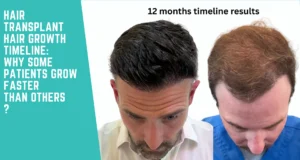
Growth develops over several months, with near-full results generally assessed around the 12-month stage.
Yes. Natural appearance depends on design, graft placement and appropriate coverage rather than simply using more grafts.
Selected patients may be suitable, depending on existing native hair, progression and donor capacity.
Sometimes. A hair transplant repair depends on the problem that needs correcting and the amount and quality of donor hair still available.