
You have done the research. I chose the clinic. Paid the deposit. Booked the flights. And somewhere between the excitement of finally doing this and the reality of flying to another country for a medical procedure, a few things quietly slip through.
Not the big things. Nobody forgets their passport. Nobody forgets to show up.
It is the smaller, more specific things. The medication you were still taking three days before the procedure. The pullover jumper you packed without thinking. The shock loss that arrived in week three and nobody had warned you about. The hammam you wandered into on day two.
This is not another packing list. Those exist everywhere. This is the checklist of things international patients consistently overlook, from the weeks before travel through to what happens after they land back home.
If you have not yet had a pre-travel medical consultation, that is the first item on this list. The medical team at UniquEra Clinic reviews your case, confirms your treatment plan, and flags anything you need to address before you fly.
Turkey performs more hair transplant procedures per year than any other country. Istanbul alone has thousands of clinics, many operating exclusively on international patients. The reasons are practical:
The volume also means the market includes low-quality operators. Price alone is not a reliable filter. What matters is who performs the procedure, how the team is structured, and whether the clinic provides real aftercare beyond surgery day.
The technique affects your recovery, your aftercare instructions, and a few of the packing decisions covered later in this guide. There are two primary methods used in Turkey and one less common option for specific cases.
| Feature | Sapphire FUE | DHI (Choi Pen) | Manual FUE |
| How grafts are placed | Into pre-opened microchannels using forceps | Directly into the scalp using a Choi pen | Same as sapphire FUE, but grafts are extracted by hand |
| Channel opening | Sapphire blade, V-shaped incisions | No separate channel step | Same as sapphire FUE |
| Best suited for | Larger cases, 2,000 to 5,000 grafts | Smaller, precision cases | Small cases under 1,500 grafts only |
| Surface healing speed | Fast | Slightly faster | Fastest, but limited graft count |
| Donor area scarring | Minimal | Minimal | Extremely clean, barely visible |
A few things worth noting:
Your pre-travel consultation should confirm which technique is being used and why. That way you know what recovery looks like before you fly.
Most patients book flights the moment the deposit clears. A few things need to happen before that, and skipping them creates problems on procedure day.
Get a proper medical consultation first. A reputable clinic sends a written diagnosis and treatment plan before you confirm travel dates. If a clinic is pushing you to book before reviewing your photos and medical history, that is worth noting.
Disclose your full medical history. Blood pressure conditions, diabetes, scalp disorders, history of keloid scarring, autoimmune conditions. These affect how your procedure is planned. Leaving things out does not help anyone.
Check your current medications. This is the most commonly missed step. Your clinic will give you a specific list, but the window matters and it starts weeks before travel, not the day before.
Start the alcohol and smoking timeline. Most clinics ask for no alcohol 7 days before the procedure and recommend stopping or reducing smoking at least 2 weeks before. Nicotine restricts blood flow to the scalp, which directly affects graft survival. This is not optional.
Beyond the obvious, a few documents specifically matter for medical travel.
| Document | What to Check |
| Passport | Valid for at least 6 months beyond your travel dates |
| Visa / e-Visa | Most nationalities apply online at evisa.gov.tr before travel |
| Travel insurance | Confirm it covers medical procedures and emergency care abroad |
| Medical records | Current medications list, known allergies, relevant health history |
| Written treatment plan | Your clinic should provide this before you travel |
| Personal Medical Consultant | Consultant name, WhatsApp number of clinic and hotel, address in English and Turkish |
One that patients consistently miss: print the clinic address in Turkish. If your phone dies or you lose signal, a taxi driver reading an English transliteration of an Istanbul street name is not a reliable backup.
Most of this starts 1 to 2 weeks before travel, not the day before.
Medications and supplements to pause:
• Aspirin and anti-inflammatory painkillers such as ibuprofen: increase bleeding risk during extraction, stop 7 to 10 days before.
• Blood-thinning prescription medications: speak to your GP before stopping any of these.
• Vitamin E, fish oil, and omega-3 supplements: affect blood clotting, stop 1 to 2 weeks before.
• Herbal supplements including ginkgo biloba, garlic tablets, ginseng: similar effect.
• Alcohol: 7 days minimum before procedure.
On procedure day:
• Eat a proper meal beforehand. The procedure runs 6 to 9 hours and you will not eat during it.
• No caffeine on the morning of the procedure.
• Wash your hair normally with no styling products.
• Wear a button-up shirt or zip-up top. Anything that pulls over your head cannot be worn after without risking the grafts. This is one of the most common packing mistakes.
The clinic provides your medical aftercare kit. What patients forget are the practical items that make the stay and the flight home far more comfortable.
• Button-up shirts or zip-up hoodies only. Pack nothing that goes over your head. Post-procedure, pulling fabric across the grafted area is a real risk. Most patients pack one pullover out of habit and regret it immediately.
• A soft, loose-fitting hat. Your clinic may provide one. Bring your own as backup. No tight caps, no beanies, nothing that presses on the scalp.
• A travel neck pillow. For the flight home, resting your head flat against a headrest puts pressure on the recipient area. A neck pillow keeps your head upright throughout.
• Universal power adapter. Turkey uses Type F plugs at 220V. Without one, you will not charge anything in your hotel room.
• Small saline spray. Your clinic provides one. A second for the flight home is useful. Cabin air is dry and keeping the scalp lightly misted reduces discomfort during the journey.
• Printed clinic details. Coordinator name, clinic address in Turkish, WhatsApp number. Works when your phone does not.
Istanbul is one of the world’s great cities and the temptation to explore is real. Recovery day exists for a reason, and a few specific things need to be avoided.
Strictly avoid for at least 7 to 10 days post-procedure:
• Direct sun on the scalp. Istanbul summers are intense. Wear your provided hat outdoors
• Steam rooms, saunas, and hammams. Heat and moisture increase the risk of complications in the grafted area. This is one of the most common mistakes tourists make
• Swimming pools, sea, or any body of water
• Alcohol for a minimum of 7 days post-operation
• Strenuous activity or heavy sightseeing on procedure day and the day after
On recovery day, a gentle walk and a quiet meal are fine. Some clinics including UniqueEra offer an optional structured city tour on recovery day, light enough for post-procedure patients. If that option is available, it is a better choice than wandering independently.
Not sure what your specific recovery restrictions look like? The medical team at UniquEra Clinic walks every patient through a personalised aftercare plan before departure. Speak to the medical team before you travel.
The flight home gets almost no attention in most guides. A few simple things make a real difference.
The trip ends, you land home, and the real recovery begins quietly. A few things catch patients off guard simply because nobody mentioned them in advance.
| Activity | When It Is Safe |
| Light walking | Day 3 to 4 |
| Office or desk work | Day 5 to 7 |
| Gym and cardio | 3 to 4 weeks post-procedure |
| Contact sports | 4 to 6 weeks minimum |
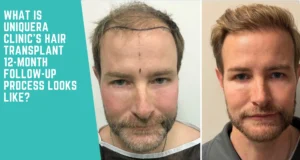
Keep your follow-up appointments. At 1, 3, 6, and 12 months. The 3-month mark is when early regrowth begins. The 12-month mark is when final results are reviewed.
For anything recovery-related, your clinic is the first call. Shedding, redness, timeline questions, any concern about how things are progressing. The UniqueEra medical team stays on your case for the full 12 months, the same people who treated you, with your full file in front of them.
A hair transplant in Turkey is a well-organised experience when you choose the right clinic. The medical side is covered. The logistics are smoother than most patients expect. What catches people out are the gaps in their own preparation.
Stop the right medications early. Pack the right clothing. Know what recovery actually looks like before you leave Istanbul. And keep your clinic’s contact in your phone for the next twelve months.
The procedure lasts a day. The result stays with you. Preparing properly for both is worth the effort.
The medical team at UniquEra Clinic provides every international patient with a full pre-travel preparation guide, a written aftercare plan, and structured follow-up for 12 months after the procedure. If you are planning hair transplant surgery in Turkey and want to know exactly what your case involves, start with a free hair transplant consultation.
Yes. Most patients fly home 2 to 3 days after the procedure, after the next-day wash. Use a neck pillow to avoid pressure on the grafted area and carry a saline spray for the flight.
Stop aspirin, ibuprofen, vitamin E, fish oil, and herbal supplements like ginkgo biloba 7 to 14 days before. For prescription blood thinners, speak to your GP before stopping. Your clinic provides a full list.
Use a travel neck pillow to keep your head upright. Avoid resting it against the seat or window. An aisle seat helps with repositioning on longer flights.
Yes. Stop at least 7 days before the procedure. Alcohol thins the blood, increases bleeding risk during extraction, and slows healing post-operation.
Avoid steam rooms, hammams, saunas, swimming, direct sun on the scalp, alcohol, and strenuous activity for at least 7 to 10 days post-procedure.
Most nationalities can apply for a Turkish e-Visa online at evisa.gov.tr. Check your nationality’s requirements at least 2 weeks before your trip.
Contact your Istanbul clinic first for anything related to graft recovery, shedding, or timeline questions. They know your specific case and procedure details better than any local clinic will.
Arrive at least one day before. Arrival day covers the transfer, hotel check-in, blood tests, in-clinic consultation, and hairline design. Same-day arrival leaves no buffer for travel delays.
Shock loss is the temporary shedding of transplanted hair between weeks 2 and 6 after the procedure. The follicles remain alive and enter a resting phase. Regrowth typically begins around month 3.
Use the saline spray provided by your clinic for scalp care during your stay. Istanbul tap water is treated but clinic-provided solutions are the recommended choice for direct scalp contact in the first few days.