
Head Medical Consultant & Patient Care at UniquEra Clinic
For many men, a patchy beard becomes something they stop bringing up, but never stop tracking. It shows up in small habits. You pick angles that hide the gaps. You avoid close-up photos. You trim in a way that tries to “fake” density. Over time, it stops feeling like a grooming issue and starts feeling like a control issue. You know who you are. You just do not always feel like your face reflects it.
Most men do not rush into surgery. They wait, they try oils and supplements, they give it more years, and they tell themselves it will fill in. Sometimes it does. But if genetics, scars, or long-term gaps are the reason, waiting often changes nothing.
That is usually when the search begins for a beard transplant in Turkey.
We totally understand the first few hours of research can feel more confusing than helpful. Prices look wildly different from home. Every clinic claims natural results. Technique names are everywhere. Yet the questions that matter most are rarely answered clearly. Who is doing what on the day. How is your beard design decided? How is donor hair protected? And will the result still look natural years from now, not just in early photos.
At UniquEra Clinic, these concerns are the start of every serious consultation. This guide is written to bring clarity without pressure. You will learn what a beard transplant is, how the process works in Turkey, how techniques differ, what costs usually include, what recovery looks like, and how to judge a clinic beyond marketing.
A beard transplant is a procedure where healthy hair follicles are moved from a donor area, usually the back or sides of the scalp, to facial areas where beard growth is thin, uneven, or missing.
For a patient-friendly explanation of how beard hair implants work, including healing and growth stages, you can read our dedicated guide.
Read – “Beard Transplant in Turkey: Everything a Patient Needs to Know”
The procedure is based on one simple idea. If a hair follicle is alive and placed properly, it can keep growing in its new location.
Once the follicles connect to blood supply in the skin, they can grow long-term. At UniquEra, a lot of the “natural look” comes down to details most people do not think about early on, like angle control, spacing, and direction changes across different beard zones.
A beard transplant can be planned for small improvements or major changes. Common areas include:
Good design is rarely about copying someone else’s beard. It is about matching your facial structure, your existing growth, and what will look believable for your age and features.
A strong outcome is usually decided before surgery day, because planning determines how many grafts are needed, where they are placed, and how donor hair is protected.
Most patients start remotely. You share clear photos from different angles, your medical history, and your beard goals. The team evaluates donor density and facial proportions, then estimates graft needs and suggests technique options.
At UniquEra, planning is deliberately detailed because rushed planning creates rushed results. A proper plan should explain not only the number, but the why. Why that graft range. Why that density in that zone. Why that technique for that area.
On the day of the procedure, the process typically follows this flow:
Most procedures take 4 to 7 hours depending on graft count and design complexity.
The first few days are mostly about protecting the grafts and keeping healing smooth.
Most patients notice:
You are given washing guidance and aftercare instructions. Many international patients stay 3 to 5 days so early healing can be checked before flying home.
Beard Transplant Techniques Used in Turkey
Technique names can feel like marketing, but they do describe different tools and methods. The key is matching the method to your beard zone and goals.
FUE is the most common approach for beard transplants.
FUE is often used for broader areas where coverage is needed and donor safety must be protected. At UniquEra, FUE is usually chosen when the plan requires higher graft numbers and smooth distribution across cheeks and jawline.
DHI(Direct Hair Transplant) uses implanter pens for direct placement. Sapphire FUE uses sapphire blades to create finer recipient channels.
These approaches are often chosen for areas that demand higher precision, such as:
The goal is not to chase a label. The goal is to use the tool that gives better control where control matters most.
Many patients benefit from combining techniques.
For example, a plan might use FUE for general coverage, then use DHI or sapphire tools for borders and detailed zones. At UniquEra, hybrid planning is common when it improves naturalness without making the procedure more aggressive than it needs to be.
It depends on your beard goals, hair type, and donor capacity. At UniquEra, you’ll receive a customized consultation to choose the right method for you.
Not everyone is suited for immediate surgery. A good clinic will tell you when to wait, when to adjust goals, and when it makes sense to proceed.
You may be a good candidate if:
At UniquEra, candidacy is discussed openly. If a staged plan, waiting period, or revised design will give a better long-term result, that is explained clearly instead of pushing you into a quick decision.
A beard transplant is a controlled medical procedure. For most patients, recovery is predictable when planning and aftercare are done properly.
Early healing can look more intense than it feels. Most of what you see is the skin doing normal repair work.
Common early experiences include:
These changes typically settle within days.
Most problems people fear come from rushed work, poor planning, or weak protocols. At UniquEra, risk reduction is built into the structure of the process.
Technique names matter less than team experience and protocols. When planning and execution are disciplined, recovery usually feels routine rather than stressful.
Beard growth after transplant follows a predictable cycle.
Turkey became a destination through volume, repetition, and medical travel infrastructure. The country did not “invent” beard transplants. It built systems around them.
In Istanbul, many teams do facial hair work regularly. That repetition builds familiarity with different skin types, beard patterns, and density planning. Over time, results can become more consistent because the work is not occasional.
The price difference is largely structural.
Lower price alone does not mean lower quality. What matters is whether efficiency is used to improve care or to increase volume at the expense of planning.
US patients often mention:
At UniquEra, many patients also say the deciding factor was clarity. They wanted to understand who would be involved, how decisions were made, and how naturalness was protected long-term.
Costs vary based on graft count, technique choice, and complexity of planning.
| Grafts | Turkey (Typical Range) | USA (Typical Range) |
| 1,000 | $1,500 to $2,000 | $5,000 to $8,000 |
| 2,000 | $1,800 to $2,500 | $7,000 to $10,000 |
| 3,000+ | $2,500 to $3,500 | $11,000 to $15,000+ |
Most UniquEra Clinic packages typically include:
(Exact inclusions can vary based on plan and timing, so it should always be confirmed in writing.)
After consultation, many patients say the same thing. They did not feel rushed or pushed. They felt understood, and they finally knew what was realistic for their face and donor area.
UniquEra’s approach is built around careful planning and calm execution.
If you are considering a beard transplant in Turkey and want clarity before you commit, a private consultation with UniquEra is a practical next step.
A beard transplant is not a quick cosmetic fix. It is a long-term decision that changes how your face presents itself for years. The outcome is shaped less by the country or the buzzwords, and more by planning, judgment, and execution.
Turkey offers experience and efficiency. What matters is how a clinic uses that experience.
If you want to understand what is realistic for your face, your donor area, and your goals, you can request a confidential consultation with UniquEra Clinic. You will receive a personalized assessment based on medical evaluation, not assumptions. There is no obligation to proceed. Only the chance to get clear answers.
Book your confidential beard transplant in turkey consultation with UniquEra Clinic. Share your photos and goals, and receive a personalized plan, graft estimate, and technique recommendation.
Most procedures take 4 to 7 hours, depending on graft count and how detailed the design work is, especially around the jawline and mustache borders.
Many patients fly 2 to 3 days after surgery once early healing is stable. A 3 to 5 day stay in Istanbul is often recommended so the clinic can check early recovery and guide the first wash.
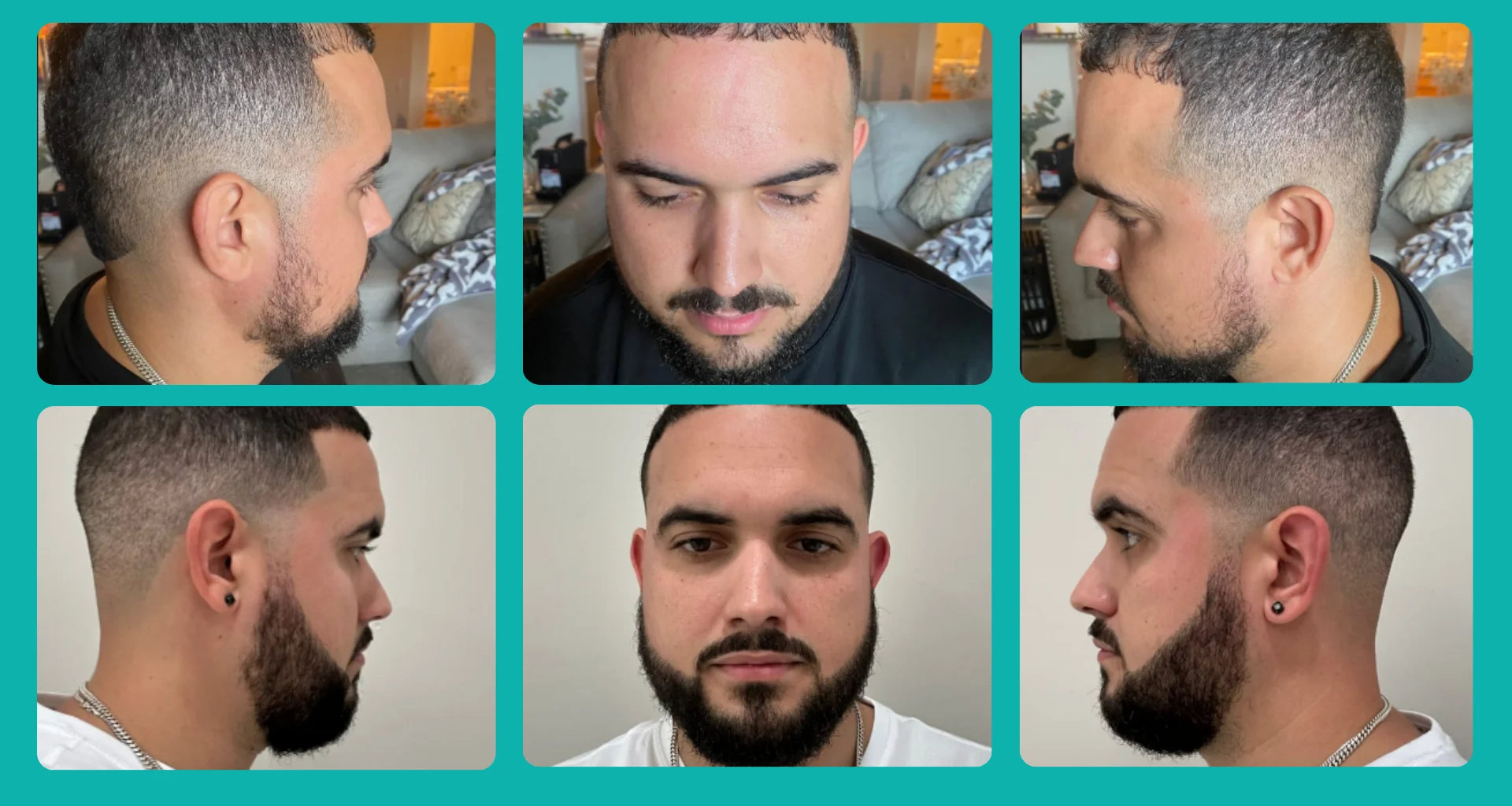
It can look very natural when the plan gets the small details right, especially angle, direction, and spacing. Naturalness is usually decided by planning and placement, not by marketing photos.
Local anesthesia is used, so you should not feel pain during the procedure. Afterward, discomfort is usually mild and short-term, often described as tightness or soreness in the donor area.
Shedding is common in the first few weeks. It is part of the normal hair cycle. The follicles remain under the skin and new growth typically starts in the following months.
It depends on your current growth and the style you want. Many full beard plans fall between 2,000 and 3,500 grafts, while smaller patch work can require far fewer.
In many cases, yes. Scar tissue behaves differently than normal skin, so planning matters. A proper evaluation is needed to confirm if graft placement is suitable for your scar type and location.
Sometimes. It depends on donor capacity, total graft needs, and how long the procedure would be. A combined plan should be conservative with donor use and realistic about recovery.
Timelines vary by healing, but many patients wait until the grafts are stable and crusting has cleared. Your clinic should give you a clear, personalized timeline based on how you heal.
Look beyond price and photos. Ask who performs each step, how beard design is planned, how donor hair is protected, what aftercare support looks like, and how follow-ups are handled once you return home.