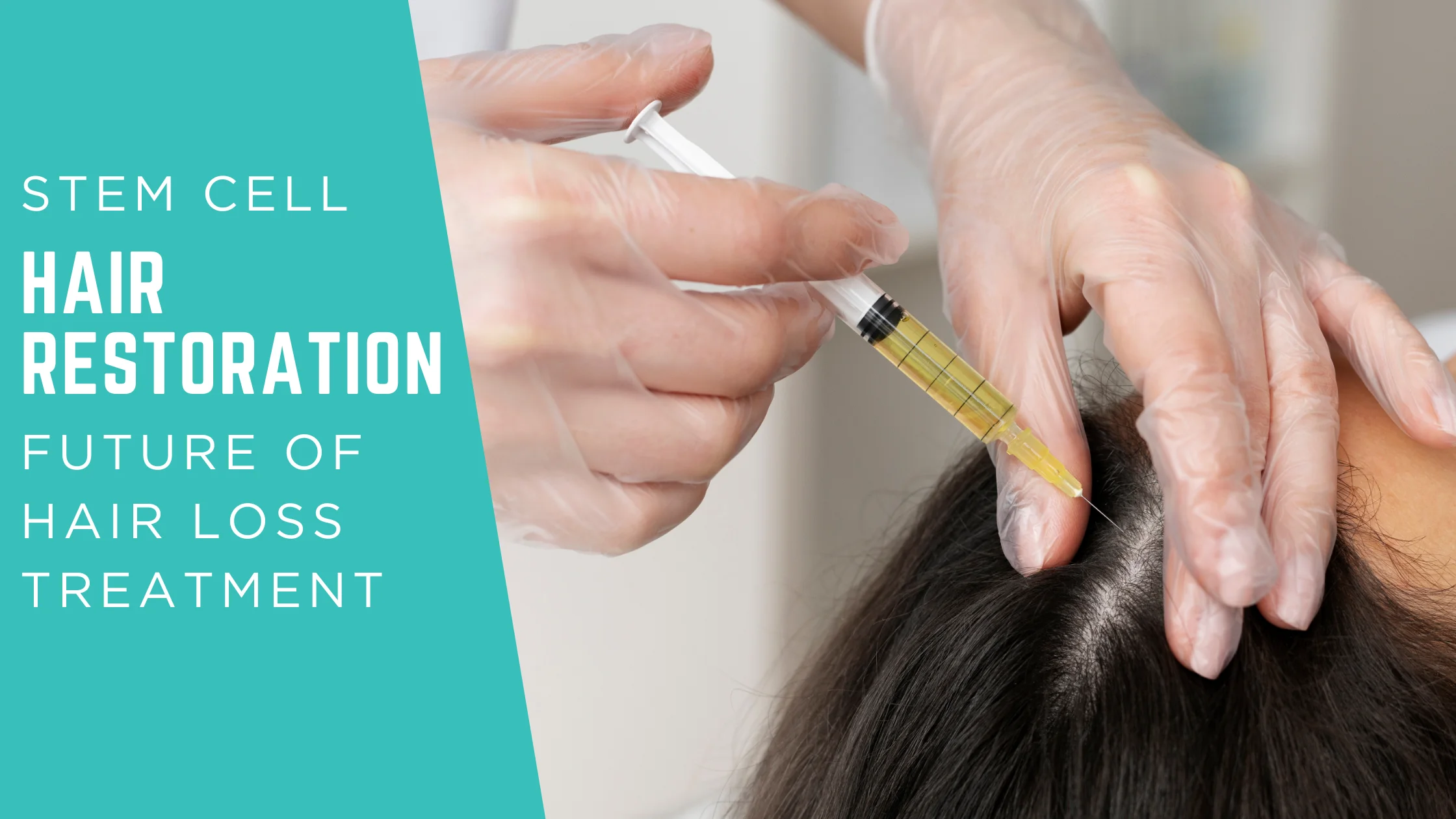
Hair loss treatment has gone through several phases over the last few decades. Early solutions focused on camouflage. Later came medications that slowed loss but rarely reversed it. Surgical hair transplants improved coverage but could not address the underlying health of thinning hair. Stem cell hair restoration represents a shift away from simply relocating hair and toward improving how hair follicles function in the first place. Instead of focusing only on where hair is placed, this approach asks a more fundamental question. Can weakened follicles be supported, repaired, or reactivated before they are lost completely?
For patients exploring modern hair restoration options, this change matters. It signals a move from reactive solutions to biological support. And it is why many specialists now view stem cell–based therapies as a key part of the future of hair loss treatment.
Why Do Traditional Hair Loss Treatments Have Clear Limits?
Most conventional hair loss treatments fall into one of three categories.
Topical or oral medications These can slow hair loss and support existing follicles, but results depend on long-term use and individual response. They do not restore lost follicles and are not a definitive hair loss cure.
Platelet-rich plasma (PRP) PRP can improve hair quality and thickness for some patients, but outcomes vary and repeated sessions are usually required.
Hair transplant surgery Transplants redistribute existing hair from donor areas to thinning zones. While effective for coverage, they do not stop future hair loss or improve follicle health outside the transplanted area.
These approaches still have value. However, they largely work around hair loss rather than addressing why follicles weaken in the first place. This is where stem cell hair restoration enters the discussion.
What Is Stem Cell Hair Restoration?
Stem cell hair restoration refers to treatments that use regenerative cells or growth factors derived from the patient’s own tissue to support hair follicle function.
Rather than creating new follicles, the goal is to improve the environment around existing ones.
Stem cells and progenitor cells release signals that influence:
Cell repair and renewal
Blood supply to the scalp
Inflammatory balance
Follicle cycling and strength
In practical terms, this means healthier follicles that are better able to produce thicker, more resilient hair.
How Stem Cell Hair Treatment Works in Practice?
While protocols vary, most stem cell hair treatments follow a similar biological logic.
Step-by-step overview
Stage
What Happens
Tissue collection
Cells are obtained from the patient, often from fat tissue or scalp sources
Processing
Regenerative cells and growth factors are isolated
Application
The solution is injected into thinning areas of the scalp
Regeneration phase
Follicles receive biological signals that support repair and growth
Because the material comes from the patient, the risk of rejection is low. The focus is on supporting natural processes rather than forcing artificial growth.
This is why stem cell hair restoration is often described as regenerative rather than cosmetic.
What Makes Stem Cell Hair Restoration Different?
Most conventional hair loss treatments aim to either block hormones or replace lost follicles. Stem cell hair restoration works at a different level.
It focuses on follicle support, not follicle replacement. This difference matters because many follicles do not disappear immediately. They weaken gradually. Stem cell hair treatment aims to help those follicles remain active longer.
Treatment
Main Function
Best Use Case
Medication
Slows loss
Early-stage thinning
PRP
Improves hair quality
Mild to moderate thinning
Hair transplant
Restores coverage
Advanced hair loss
Stem cell hair restoration
Supports follicle regeneration
Early to moderate loss, combination therapy
Stem cell therapy does not replace transplants in advanced baldness. Instead, it complements them or delays the need for surgery by preserving existing hair.
Is Stem Cell Hair Restoration a Hair Loss Cure?
Stem cell hair restoration is best understood as a biological support treatment, not a quick fix. Its role is to work with your existing hair follicles, improving their function rather than replacing them.
What patients often experience is:
Gradual improvement in hair thickness and overall quality
Slower progression of ongoing hair loss
Better support for weakened or miniaturising follicles
Stronger, more stable results when combined with other hair restoration options
Instead of dramatic overnight change, stem cell hair treatment focuses on natural reinforcement of your hair’s growth environment. For many patients, this leads to hair that looks healthier, denser, and more resilient over time.
That steady, natural progression is exactly why stem cell hair restoration is gaining attention. The goal is longevity and quality, helping existing hair stay productive for as long as possible.
Who Is a Good Candidate for Stem Cell Hair Treatment?
Stem cell hair restoration is not limited to one type of patient.
It is commonly considered by:
Men and women with early thinning
Patients experiencing diffuse hair loss
Individuals not ready for a hair transplant
Patients who want to support results after surgery
Those looking for non-surgical hair loss treatment
A proper medical evaluation is essential. The treatment works best when follicles are still present, even if weakened.
Stem Cell Hair Transplant vs Stem Cell Hair Restoration
The terms are often confused online, but they are not the same. A stem cell hair transplant usually refers to combining traditional hair transplant surgery with stem cell-based support treatments.
Stem cell hair restoration, on the other hand, does not involve graft placement.
Treatment
Surgery
New Hair Placement
Main Purpose
Hair transplant
Yes
Yes
Restore lost hair
Stem cell hair restoration
No
No
Strengthen existing hair
Combined approach
Yes
Yes
Restore and protect
Many advanced clinics now integrate stem cell therapy alongside surgery to improve healing and long-term hair quality.
Stem Cell Hair Treatment Cost Considerations
Stem cell hair treatment cost varies depending on:
The technology used
Number of sessions recommended
Clinic expertise
Whether it is combined with other treatments
In Turkey, stem cell hair restoration is generally more accessible compared to many Western countries, while maintaining high medical standards.
Costs are typically positioned between long-term medication and surgical hair restoration, making it an attractive option for patients looking for proactive care.
Why Has Turkey Become a Hub for Stem Cell Hair Restoration?
Turkey has become a global destination for hair loss treatment due to:
The key difference between clinics lies not in availability, but in how carefully the treatment is planned and explained.
How UniquEra Clinic Approaches Stem Cell Hair Restoration?
At UniquEra Clinic, stem cell hair restoration is positioned as part of a broader medical strategy, not a standalone promise.
Before recommending the treatment, the medical team evaluates:
Current hair density and miniaturisation
Pattern and pace of hair loss
Scalp condition and circulation
Long-term restoration goals
The treatment is often used to:
Support existing hair before further loss
Improve scalp health prior to a hair transplant
Strengthen surrounding hair after surgery
By integrating stem cell hair restoration into a structured care plan, UniquEra focuses on natural progression, realistic outcomes, and long-term stability rather than short-term visual change.
Combining Stem Cell Hair Restoration With Other Treatments
Stem cell hair treatment is most effective when combined thoughtfully with other hair restoration options.
Common combinations include:
Hair transplant surgery with post-procedure stem cell support
Medical hair loss treatment for hormonal stability
PRP or scalp therapy for circulation support
This layered approach allows doctors to address both the visible and biological aspects of hair loss.
What Patients Should Expect Over Time?
Stem cell hair restoration does not produce instant cosmetic change.
Most patients notice improvements gradually over several months, such as:
Hair feeling thicker when touched
Reduced shedding
Improved scalp comfort
Better response to styling
These changes often become more noticeable between three and six months after treatment.
The Future of Hair Loss Treatment
Hair restoration is moving away from single-solution thinking. The future lies in early intervention, combination treatments, and biological support.
Stem cell hair restoration reflects this shift. It bridges the gap between prevention and surgical restoration, offering patients a way to act earlier and more intelligently.
As regenerative medicine continues to evolve, treatments that support hair rather than replace it will play a larger role in how doctors manage hair loss long-term.
Final Thoughts
Stem cell hair restoration is not about dramatic promises. It is about timing, biology, and preservation.
For patients who act early and choose clinics that prioritise medical planning over marketing, stem cell hair treatment can become a valuable part of a long-term hair loss strategy.
When used correctly, it helps existing hair last longer, look healthier, and respond better to other treatments.
That is why many specialists now see stem cell hair restoration not as an alternative to hair transplants, but as the next step forward in modern hair loss treatment.
FAQs: Stem Cell Hair Restoration
1. Will stem cell therapy cure hair loss?
Stem cell hair restoration supports and strengthens existing hair follicles. It improves hair quality and slows hair loss but is not positioned as a permanent, one-time cure.
2. Can we regenerate hair through stem cell therapy?
Stem cell therapy can reactivate weakened or dormant follicles in some patients. It does not reliably create new follicles in completely bald areas.
3. Is stem cell therapy for hair loss effective?
For early to moderate hair thinning, stem cell therapy can improve thickness, reduce shedding, and support overall hair health. Results depend on follicle condition and cause of hair loss.
4. What is the success rate of stem cell therapy for hair loss?
There is no fixed success rate. Many patients see visible improvement over several months, while others experience stabilization rather than regrowth.
5. What are the advancements and effectiveness of stem cell hair treatment for hair loss?
Modern techniques focus on better cell processing and delivery, improving consistency in hair thickening, scalp health, and follicle support when used correctly.
6. Is stem cell hair restoration better than traditional hair loss treatments?
It works differently. Stem cell therapy is often used alongside medical treatments or hair transplants rather than replacing them entirely.
7. What’s the typical timeline for visible results with stem cell hair restoration?
Most patients notice gradual changes between 3 to 6 months, with continued improvement up to 9–12 months.
8. Does stem cell hair restoration work for severe baldness?
It is less effective in fully bald areas where follicles no longer exist. In such cases, it is usually combined with other hair restoration options.
9. Is stem cell hair transplant the same as stem cell hair therapy?
No. Stem cell therapy focuses on follicle support, while stem cell hair transplant combines transplantation with regenerative techniques.
10. Is stem cell hair restoration safe?
When performed by qualified medical professionals using the patient’s own cells, it is generally considered safe with minimal risk.
11. How much does stem cell hair treatment cost?
Stem cell hair treatment cost varies by clinic, technique, and whether it’s combined with other procedures. Prices in Turkey are often lower than in Western countries.
12. Who is a good candidate for stem cell hair restoration?
Patients with early thinning, weak follicles, or those aiming to preserve existing hair tend to benefit most after proper evaluation.
13. Does UniquEra Clinic offer stem cell hair restoration?
UniquEra Clinic uses stem cell hair restoration as part of a broader, medically planned hair loss treatment approach when suitable for the patient.