
Most people don’t start researching hair transplant techniques because they’re excited. They start because something feels off.
Their hairline is shifting. Photos look different. Confidence drops quietly, before anyone else notices.
So they search. And suddenly they’re flooded with terms like FUE, DHI, Sapphire FUE, best hair transplant method, latest technique. Every clinic claims their approach is superior. Every before-after looks perfect.
That’s where confusion begins.Because natural results are not created by choosing a popular technique. They’re created when the right technique is chosen for the right scalp, donor quality, hair loss pattern, and future risk.
Many unnatural results. Sharp hairlines, wrong angles, dense patches that don’t blend. Don’t happen because hair transplant surgery fails. They happen because a technique was selected before proper medical evaluation.
Patients don’t choose hair transplant techniques. Medical teams do. After diagnosis.
This guide explains what hair transplant technique really means, why it directly affects naturalness, and how experienced clinics like UniquEra Clinic decide the method only after evaluating the patient, not before.
If you want hair that looks untouched. Not just this year, but years from now. Request a free medical assessment today to understand which technique actually fits your scalp and goals.
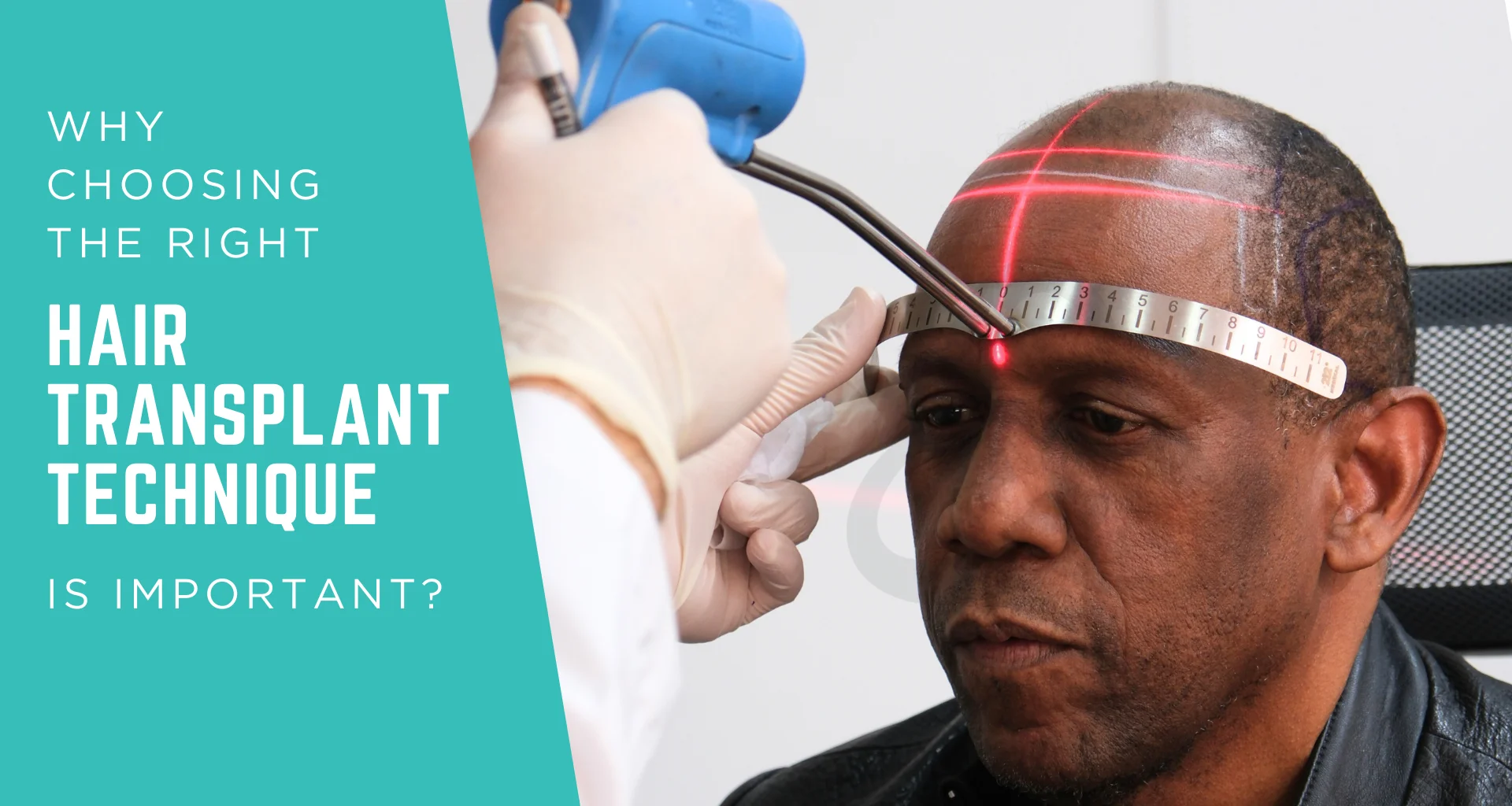
A hair transplant technique is not just how grafts are extracted. It defines how follicles are removed, handled, and implanted into your scalp.
That directly affects:
Older hair transplant methods used large grafts and fixed patterns. That’s why many early procedures looked pluggy or artificial.
Modern hair transplant techniques work at the follicular unit level, meaning single hairs and small natural groupings are placed with precision.
But even modern techniques can look unnatural if used in the wrong patient.
A natural hairline is never straight.
It has irregularity, micro-zigzags, and gradual density.
To achieve this:
Some hair transplant techniques allow finer control at the hairline than others. Using the wrong approach can create a sharp or artificial look even when growth is strong.
Hair does not grow straight out of the scalp. Each zone has a natural flow pattern.
If grafts are implanted at the wrong angle or direction:
This is one of the most common reasons patients say: “My hair grew, but it doesn’t look natural.” Technique selection directly affects how precisely these angles can be controlled.
More grafts do not automatically mean better results.
Natural density requires:
Some techniques support dense placement in specific zones. Others are better for soft transitions. Using the wrong method can leave the front too dense and the back too thin. Or the opposite.
Scarring determines how freely you can wear your hair.
Technique choice plays a major role in donor preservation, especially in high-volume Turkey hair transplant cases.
No. And this is the most misunderstood part of hair transplant planning.
The best hair transplant method is not universal. It depends on medical evaluation, not preference or trends.
Medical team assess:
Only after this does technique selection make sense.Any clinic that lets patients “pick” FUE or DHI before diagnosis is skipping a critical step.
| Technique | What It Involves | When It’s Typically Used |
| FUT (Strip) | Donor strip removed, grafts dissected. | Advanced hair loss needing high graft yield. |
| FUE Hair Transplant | Individual follicle extraction. | Most cases, flexible donor management. |
| DHI Hair Transplant | Direct implantation with an implanter pen. | Precise placement, refined hairlines. |
| Sapphire FUE | FUE with sapphire blade incisions. | Clean incisions, refined recipient sites. |
There is no single best hair transplant technique. These hair transplant options are not interchangeable. Each serves a specific medical purpose depending on the patient’s scalp, donor capacity, and long-term hair loss pattern.
Technique is a tool. The medical team is the deciding factor.
Two patients can undergo the same hair transplant method and end up with completely different results. One looks natural and unnoticeable. The other looks transplanted.
The difference is not the device used. It is how the surgeon applies it.
Natural results depend on:
Clinics that prioritize speed or volume often compromise these details, even when using modern hair transplant techniques.
At this stage, most patients realize the problem isn’t choosing between FUE or DHI. It’s knowing whether the surgeon planning the procedure understands their scalp, donor limits, and long-term hair loss.
If you want a clear answer on which technique actually fits your case, based on medical evaluation rather than packages, you can request a professional assessment from UniquEra Clinic.
No commitment. No technique is decided before diagnosis.
Turkey is one of the most popular destinations for hair transplant surgery.
But results vary widely because:
A Istanbul hair transplant can look excellent or disappointing depending on:
Choosing the right hair transplant clinic matters more than choosing the country.
At UniquEra Clinic, technique selection is treated as a medical decision, not a menu option.
The process starts with understanding why a result could look unnatural if done incorrectly, not with selling a method.
Before any technique is discussed, surgeons evaluate:
Only after this evaluation does technique selection begin.
Patients looking for the best hair transplant clinic in Istanbul should focus less on advertised techniques and more on how evaluation, planning, and donor safety are handled.Instead of asking, “Do you want FUE or DHI?”, the surgical team at UniquEra asks:
This approach avoids common mistakes seen in volume-driven clinics:
At UniquEra, the technique is selected only when it serves the result, not when it sounds attractive.
The goal is not a dramatic “after” photo. The goal is hair that ages naturally, blends invisibly, and still looks right years later.
Final Thoughts- Technique Shapes Natural Results
Choosing the right hair transplant technique is not about trends. It’s about matching medical reality with artistic execution.
Natural results come from:
When these align, hair restoration looks natural, ages well, and feels like your own hair again.
If you want to know which hair transplant technique genuinely fits your scalp, donor limits, and long-term hair loss pattern, the next step is evaluation, not guessing.
Request a medical consultation with UniquEra Clinic to get a clear, honest recommendation before committing to surgery.
1. What makes a hair transplant look natural?
Correct graft angle, direction, density distribution, and an age-appropriate hairline that blends seamlessly.
2. What is the best hair transplant technique?
There is no universal best technique. The right method depends on your scalp, donor quality, and hair loss pattern.
3. Do patients choose the hair transplant technique?
No. An experienced surgeon selects the technique after medical evaluation.
4. Is FUE better than DHI for natural results?
Both can produce natural results when used correctly. The decision depends on precision needs and anatomy.
5. Does a Turkish hair transplant always look natural?
Results depend on clinic standards and surgeon skill, not location alone.
6. How does technique affect the hair transplant procedure?
The hair transplant procedure changes significantly based on technique, including how grafts are extracted, how long they stay outside the body, and how they are implanted.
7. Is hair transplant the best hair replacement option for everyone?
No, hair transplant surgery is considered the most permanent hair replacement option when donor hair is available, but it is not suitable for every patient.