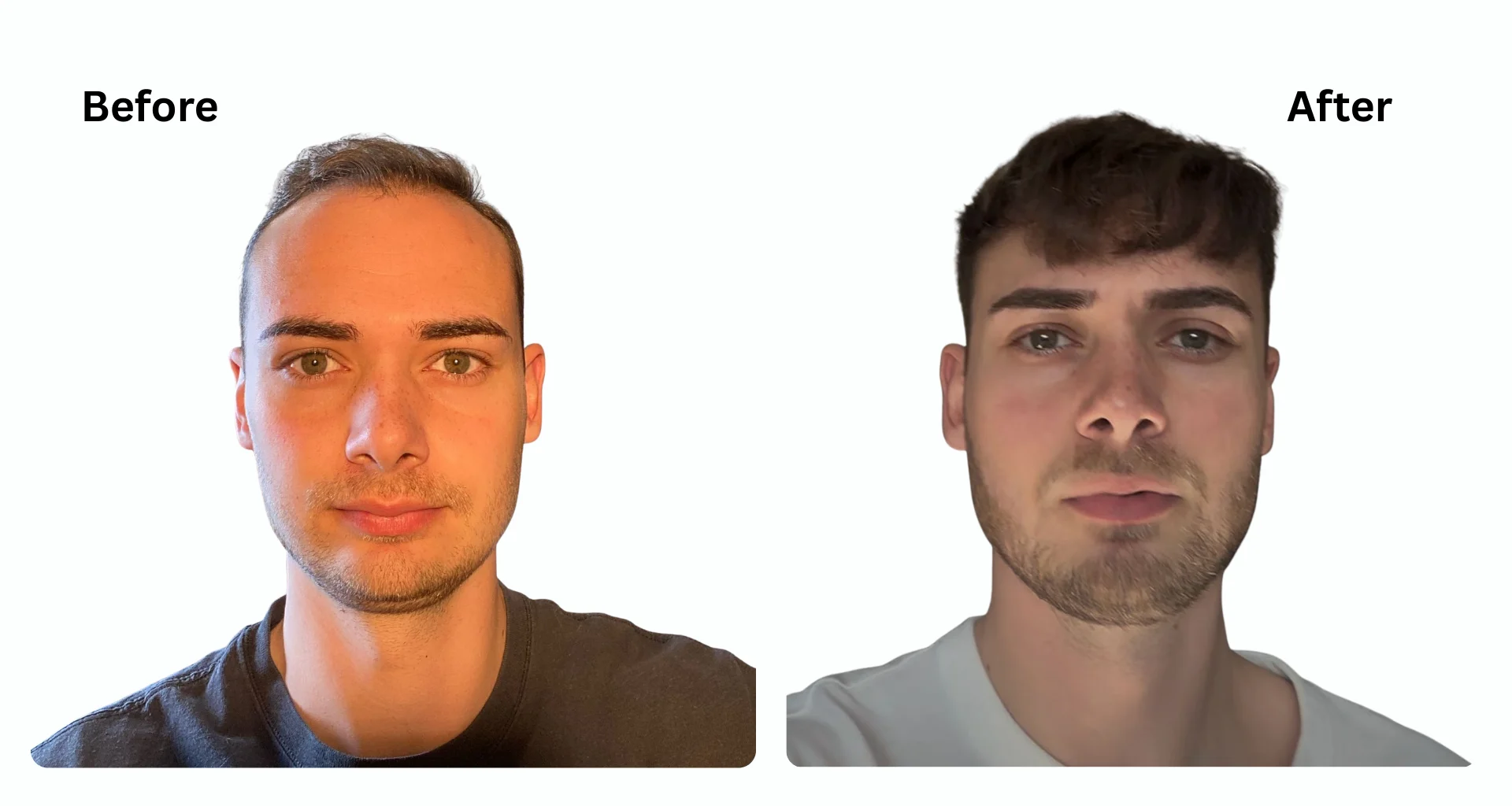
Turkey has become the world’s leading destination for hair transplant procedures, with Istanbul alone performing over 60,000+ transplants annually for international patients. The combination of experienced surgeons, advanced hair transplant techniques, and competitive pricing attracts patients from across Europe, the Middle East,US and beyond seeking the best hair transplant in Turkey.
With a large number of clinics operating across Turkey, choosing the right one involves more than comparing package prices. Long-term results depend on proper planning, medical experience, and how well the procedure is tailored to your individual hair loss pattern.
This guide outlines the 10 essential questions international patients should ask before committing to a hair transplant clinic in Turkey. These questions help clarify medical standards, planning approach, expected results, and post-procedure support, so you can make a confident and informed decision.
Why these Questions Matter When Choosing a Hair Transplant Clinic in Turkey?
Turkey’s medical tourism boom has brought world’s best hair transplant specialists to the forefront, but it is a medical procedure that requires experience, planning, and consistency. Not every patient is an ideal candidate at the same time, and outcomes depend on factors such as donor supply, hair loss pattern, technique selection, and long-term strategy.
Patients who take time to ask the right questions tend to:
Set realistic expectations based on their individual situation.
Understand who will be involved in their procedure.
Get clearer insight into costs, inclusions, and follow-up care.
Feel more confident throughout the entire growth and recovery process.
This guide is designed to help you:
Ask informed, relevant questions during consultations.
Understand what professional standards look like.
Compare clinics beyond price alone.
Choose a clinic that prioritizes planning, safety, and long-term results.
The 10 Essential Questions to ask Your Hair Transplant Expert
1.What Is the Experience and Specialization of the Hair Transplant Team?
Hair transplantation is a specialized medical procedure. The experience of the team matters because it involves precise follicle extraction, careful graft handling, and thoughtful hairline planning. Teams that work primarily in hair restoration tend to develop better consistency and judgment over time.
A clinic should be able to explain how its team is trained specifically in hair transplantation, how many years they have been performing these procedures, and whether the same trained team works together regularly. Experience with different hair types and hair loss patterns is also important for planning natural, long-term results.
2. Who Will Perform My Hair Transplant Procedure?
Knowing who performs each part of the procedure is important for setting expectations and understanding how the surgery is managed. Hairline design, channel creation, and graft placement all require coordination and experience.
A clinic should clearly explain who is responsible for each step, how the team works together during the procedure, and what level of medical supervision is present throughout the day. Clear roles and a consistent team structure usually lead to more predictable and stable outcomes.
3. Am I a Suitable Candidate for a Hair Transplant, or Should I Wait?
Not everyone is an immediate candidate for a hair transplant. Factors such as age, current hair loss pattern, donor area strength, and whether hair loss has stabilized all affect long-term results.
A proper assessment helps determine whether surgery makes sense now or whether waiting, monitoring progression, or considering alternatives would lead to better outcomes. Honest guidance at this stage helps protect donor hair and future treatment options.
4. Which Hair Transplant Technique Will Be Used, and Why?
Direct implantation with Choi pen, maximum control
Sapphire FUE
Dense packing, faster healing
Sapphire blades create smaller, more precise channels
Different hair transplant techniques are suited to different situations. Methods such as FUE, DHI, or hybrid approaches each have advantages depending on hair type, coverage needs, and design goals.
A clinic should be able to explain why a specific technique is recommended in your case, how it fits your anatomy and expectations, and what the practical differences are in terms of density, recovery, and visibility during healing.
5.How Many Grafts Do I Need, and How Will My Donor Area Be Managed?
Donor hair is limited, so graft planning plays a major role in long-term success. The number of grafts needed depends on your hair loss pattern, desired coverage, and donor density.
A clinic should explain how graft numbers are calculated, how donor areas are evaluated, and how planning accounts for future hair loss. Thoughtful donor management helps maintain a natural appearance and preserves options for later procedures if needed.
6. What Results Timeline Should I Expect After a Hair Transplant?
Hair transplant results develop gradually and follow a natural growth cycle. After the procedure, transplanted hair typically sheds before entering a new growth phase.
Patients usually see early regrowth after a few months, visible improvement over the following months, and continued maturation up to a year or more. Understanding this timeline helps set realistic expectations and avoids unnecessary concern during normal healing phases.
7. How Safe Is a Hair Transplant in Turkey, and What Medical Standards Are Followed?
When performed by trained professionals using proper medical protocols, hair transplantation is generally considered a routine and low-risk procedure. Safety depends on careful screening, hygiene standards, and surgical experience.
A clinic should be able to explain how it maintains sterile conditions, evaluates medical history before surgery, and manages grafts throughout the procedure to support safe healing and reliable outcomes.
8. What Pre-Operative and Post-Operative Care Is Included?
Preparation and aftercare are important parts of the overall treatment process. Clear instructions before surgery help reduce risks, while proper aftercare supports healing and growth.
A clinic should explain what steps to take before the procedure, how washing and daily activities should be managed afterward, and how follow-up care is structured during the recovery period.
What to look for in answers:
Pre-operative:
Detailed instructions: avoid blood thinners, alcohol, smoking 72 hours before and after.
9. What Is the Total Hair Transplant Cost, and What Does the Package Include?
All-inclusive vip hair transplant packages vary dramatically. Understanding exactly what you’re paying for prevents surprise expenses.
Understanding the full cost of a hair transplant helps avoid confusion later. Pricing can vary based on technique, graft numbers, and what services are included.
A clinic should clearly outline what the package covers, such as the procedure itself, medications, accommodation, transportation, and follow-up care. Transparent pricing allows for fair comparison and informed decision-making.
Cost comparison:
Location
Average Cost (3,000 grafts)
Hair Transplant Turkey
€2,500 – €4,500
Hair Transplant Istanbul
€2,800 – €4,200
UK
€8,000 – €15,000
USA
$10,000 – $20,000
Germany
€10,000 – €18,000
10. What Kind of Follow-Up Support Will I Receive After Returning Home?
Hair growth continues long after the initial procedure, so ongoing support plays an important role in the overall experience. Patients often have questions as healing and regrowth progress.
A clinic should explain how follow-up is handled once you return home, how progress is monitored, and how long support remains available. Continued communication helps ensure confidence throughout the recovery and growth timeline.
How to Use These Questions During Consultation
Research Phase:
Shortlist 3-5 clinics based on credentials, reviews, and initial research
Save this question list on your phone or print it
Schedule video consultations (WhatsApp, Zoom) with each clinic
During Consultation:
Work through questions systematically, taking detailed notes
Pay attention to response quality: transparent vs. evasive, detailed vs. generic
Request written confirmation of key points: surgeon’s name, technique, graft estimate, package contents
Ask for time to review and compare-resist pressure to commit immediately
Decision Making:
Compare responses across clinics for consistency and transparency
Verify credentials independently when possible
Prioritize safety and surgeon expertise over cost alone
Trust your instincts-if something feels off, investigate further
Why UniquEra Clinic Welcomes These Questions
At UniquEra Clinic, transparency isn’t policy-it’s the foundation of patient trust. We encourage every prospective patient to ask detailed questions because informed patients achieve better outcomes.
At UniquEra: We offer FUE, DHI, and hybrid approaches, selecting methods based on patient anatomy and goals – not marketing preferences or profit margins. Book a detailed video consultation for more info
Our Commitment to Transparency:
Medical Team Excellence: certified specialists with years of dedicated hair restoration experience.
Direct Medical Team Involvement: Team-based procedures where qualified experts personally handle hairline design, site creation, and all critical steps. No independent technician work on incisions or implantation.
Honest Candidacy Assessment: Digital trichoscopy, medical history review, and honest evaluation of whether transplantation is appropriate now or if alternatives are better.
Technique Flexibility: FUE, DHI, and hybrid approaches selected based on your anatomy and goals-not marketing or profit margins.
Realistic Planning: Conservative graft recommendations prioritizing donor preservation and natural results over inflated numbers.
All-Inclusive Clarity: VIP transfers, 5 star accommodation, all medications, aftercare kits, and ongoing virtual support-with clear written confirmation before arrival.
Long-Term Partnership: Dedicated coordinators, scheduled follow-ups through an 18-month timeline, photo review system, and lifetime consultation access.
Ready to begin your hair restoration with confidence?
Schedule your consultation with UniquEra Clinic where every question receives an honest answer, every commitment is documented, and every patient receives comprehensive care from consultation through final results.
Your transformation begins with the right questions-and choosing a Hair Transplant Expert who welcomes them.
Frequently Asked Questions
1. Is Turkey safe for hair ransplants?
Yes, when choosing accredited clinics with qualified medical teams. Turkey performs more hair transplants than any country globally. Reputable & luxury hair transplant clinics in Turkey facilities maintain international standards, but research is essential due to high clinic density.
2. How many days do I need to stay in Turkey after surgery?
Most patients stay 3-4 days total: arrival day, surgery day, first post-op wash day, and departure. Some extend to 5-7 days for additional rest or tourism.
3. What if I don’t speak Turkish?
Quality hair transplant clinics in Istanbul provide dedicated patient coordinators fluent in English (and often other languages). These coordinators accompany you throughout your stay and remain your contact after returning home.
4. How much does the best hair transplant in Turkey cost?
Hair transplant procedures in Turkey typically cost around one-third of what patients pay in the United States or most European countries. This difference is mainly due to lower operating costs and higher differences in healthcare pricing, not lower medical standards. The final cost depends on factors such as graft numbers, technique used, and what services are included in the package.
5. What makes a clinic the world’s best hair transplant provider?
World’s best hair transplant clinics combine medical team credentials and experience, transparent team involvement, realistic planning protecting donor areas, advanced techniques (FUE, DHI, Sapphire), comprehensive aftercare, and proven track records with international patients.
6. Are advanced hair transplant techniques worth the extra cost?
Advanced hair transplant methods like Sapphire FUE or DHI offer benefits (faster healing, denser packing, more precise placement) but aren’t necessary for everyone. A skilled medical team using appropriate technique for your needs matters more than the technique name alone.
7. How can I avoid hair transplant complications?
Minimize complications of hair transplant surgery by: choosing experienced, qualified medical teams; following all pre/post-operative instructions; avoiding overharvesting; ensuring proper sterile technique; maintaining realistic expectations; and having structured follow-up support.