Head Medical Consultant & Patient Care at UniquEra Clinic
Hair loss isn’t just about looks-especially for driven professionals whose confidence and presence shape how they show up in their work and lead others. It often runs deeper than most people realize. For many, the journey to hair restoration begins after years of quietly adapting. Choosing hairstyles that cover thinning spots. Avoiding close-up photos or video calls. Feeling like the image in the mirror no longer matches the energy and impact they carry at work. For them, restoring their hair feels less like a cosmetic choice and more like coming home to themselves.
So the real question is not only “is hair transplant worth it?” but also “what changes when you finally stop worrying about hair loss?”
To answer this honestly, we need to understand the medical process, the benefits, the risks, and the kind of results modern techniques can achieve.
This guide explains everything clearly in a human, practical way and helps you understand whether the procedure fits your scalp, your expectations, and your long-term goals.
How Doctors Decide if a Hair Transplant Is Worth It For You?
Suitability is not judged by photos alone. Doctors study whether your scalp can support predictable, long-lasting results. A thorough evaluation includes:
Donor density
Hair thickness
Follicular unit structure
Miniaturisation of existing hair
Scalp vascularisation
Predicted future loss
Trichoscopy is a central diagnostic tool. It magnifies the scalp to reveal follicle health, early miniaturisation, inflammation, and overall stability. Density mapping measures grafts per square centimetre so surgeons know how many follicles can be safely removed without weakening the donor region.
At UniquEra Clinic, these assessments are done by senior medical directors who explain the findings clearly. Patients appreciate this approach because it helps them understand both the strengths and limits of their case instead of being guided by graft numbers alone.
How the Hair Transplant Procedure Works?
A hair transplant relocates genetically strong follicles from the donor zone to thinning areas. Although the concept seems straightforward, each stage determines how natural and stable the final result will be.
1. Donor Evaluation
Doctors assess:
Follicular unit size and thickness
Donor density
Vascularisation, meaning blood supply supporting graft survival
Miniaturisation patterns
Safe extraction limits
This ensures the donor area remains healthy even years after surgery.
2. Extraction
Follicles are removed individually with motorised or manual tools. Grafts are delicate, and extraction must be controlled.
Important factors include:
Preserving root sheath integrity
Avoiding transection
Maintaining hydration
Uniform extraction spacing
A well preserved graft has a significantly better chance of growing once implanted.
3. Implantation
This step shapes the visible result.
Two main Hair Transplant Methods are used:
Sapphire FUE. Channels are created using smooth sapphire blades that allow controlled direction and depth
Direct Hair Implantation (DHI). Grafts are placed directly with a Choi pen without creating channels first.
Each Hair transplant method serves a different purpose depending on the region, density goals, and hairline design.
UniquEra’s Approach to the Hair Transplant Procedure
At UniquEra Clinic, these stages are guided by trichoscopy-based planning and density mapping before surgery. We use single-use instruments, controlled extraction spacing, and an experienced medical team led implantation. This medically structured approach helps protect the donor zone, preserve graft quality, and support natural long-term growth.
Benefits That Make a Hair Transplant Worth Considering
When planned responsibly, a hair transplant offers benefits that go far beyond visual coverage. Patients often describe a slow but steady return of confidence that feels deeply natural.
Benefits include:
Permanent growth from genetically stable donor follicles.
A natural hairline designed to match facial proportions and age.
High graft survival when placed at correct angles.
Effective for various types of hair loss.
Reduced emotional pressure caused by hair loss.
A balanced frame for the face that improves presence.
A single medical procedure without dependency on daily medication.
At UniquEra Clinic, grafts are kept under controlled conditions and implanted directly under licensed medical experts supervision. Follow up at 1, 3, 6, and 12 months ensures every stage of healing and growth stays on track.
Risks and Limitations You Should Know
Not every case is suitable for surgery. A responsible clinic will inform you if your expectations cannot be matched medically.
Here are the realistic limitations:
1. Donor Limitations
If your donor area is weak or thin, you may not achieve high density. More grafts do not always mean better results. Preservation matters.
2. Temporary Shedding
In the first few months, transplanted hairs fall before they regrow. This is normal but can be emotionally difficult if not explained beforehand.
3. Recovery Requires Patience
It takes:
2 to 3 months to restart growth
6 months to see early results
12 months for full results
18 months for crown area improvement
4. Poor Technique = Poor Results
If channels are opened too deep, too shallow, or in the wrong direction, the result will not look natural. If grafts are mishandled, they may not survive.
This is why choosing qualified experts is more important than choosing the cheapest clinic.
At UniquEra Clinic,we decline unsafe requests when donor limitations make high density unrealistic. This protects patients from results that age poorly or require unnecessary corrective surgery.
Which Method Makes More Sense?
People often search for sapphire fue hair transplant in turkey or direct hair implantation to compare methods. Both techniques can produce natural results. Each simply serves a different purpose.
Sapphire FUE hair transplant
Channels created with sapphire blades
Smooth healing
Excellent for coverage in larger areas
Strong control over direction and spacing
DHI (Direct Hair Implantation)
CHOI Pen based direct placement
High placement precision
Ideal for hairline refinement
Effective for density enhancement
Method
How It Works
Best For
Notes
Sapphire FUE hair transplantation
Sapphire blade channels
Crown and broad coverage
Smooth healing and angle control
DHI(Direct hair implantation)
Choi Pen-based direct hair implantation
Hairline and density refinement
Precise placement
A skilled medical team like UniquEra chooses the technique based on anatomy and donor strength rather than trend or marketing.
The Cost Factor: Why Prices Vary So Widely
When people ask, “Is a hair transplant worth it?”, cost becomes a major part of the conversation. Prices vary for reasons that go beyond graft numbers or package deals. They depend on:
The experience and medical background of the medical team
Whether the clinic uses sterile, single-use instruments
Local medical regulations and Ministry-certified standards
Turkey is known for offering strong medical outcomes at reasonable pricing. As one of the best hair transplant clinics in Turkey, UniquEra Clinic is part of the medically structured segment of the industry-prioritizing safety, realistic expectations, and donor preservation rather than high-volume commercial models.
When a Hair Transplant May Not Be the Right Choice?
You may not be ready for a transplant if:
Your donor supply is limited
Your expectations exceed biological limits
You want immediate density or instant growth
You are too young with unstable loss
You have medical conditions affecting healing
A responsible clinic guides you honestly instead of pushing you toward surgery.
How to Identify a Responsible Clinic?
A good hair transplant clinic focuses on medical safety, not marketing. Here’s what to look for:
1. Licensed Medical Facility
The clinic must be Ministry-approved and operating in a medical-grade environment.
2. Licensed expert -Led Procedure
A qualified medical expert should handle or supervise key steps like diagnosis, anaesthesia, incisions, and follow-up-not technicians alone.
3. Clear, Simple Medical Explanations
They should show your donor density, scalp health, and suitability using trichoscopy or density mapping, explaining everything in easy terms.
4. Honest Expectations
Responsible clinics avoid promises like “unlimited grafts” or “instant full density.” They tell you what is realistically possible for your scalp.
5. Donor Protection
They extract cautiously and prioritise long-term donor health rather than high graft numbers.
6. Sterile Surgical Protocols
Single-use instruments, clean operating rooms, and visible hygiene standards are essential.
7. Natural-Looking Real Results
Before/after photos should show natural hairlines and consistent lighting-not edited images.
8. Structured Aftercare
You should receive clear washing instructions, recovery guidance, and access to the medical team after surgery.
Where UniquEra Fits in This Landscape?
UniquEra Clinic is part of the UniquEra International Group and follows a clinical model where safety, transparency, and long term planning guide every step. Patients often choose UniquEra because its structure prioritises medical quality over commercial pressure.
Key strengths include:
Trichoscopy based diagnosis for understanding hair health
Density mapping to calculate safe extraction limits
Donor preservation systems that protect long term density
Single use surgical instruments for hygiene and graft survival
Structured follow up at 1, 3, 6, and 12 months
Clear and practical recovery guidance covering scalp hygiene, nutrition, PRP, and inflammation control
Transparent communication so expectations stay aligned with biology
UniquEra’s medically organised process helps patients navigate hair transplantation surgery and recovery with clarity and confidence.
Final Answer. Is Hair Transplant Worth It?
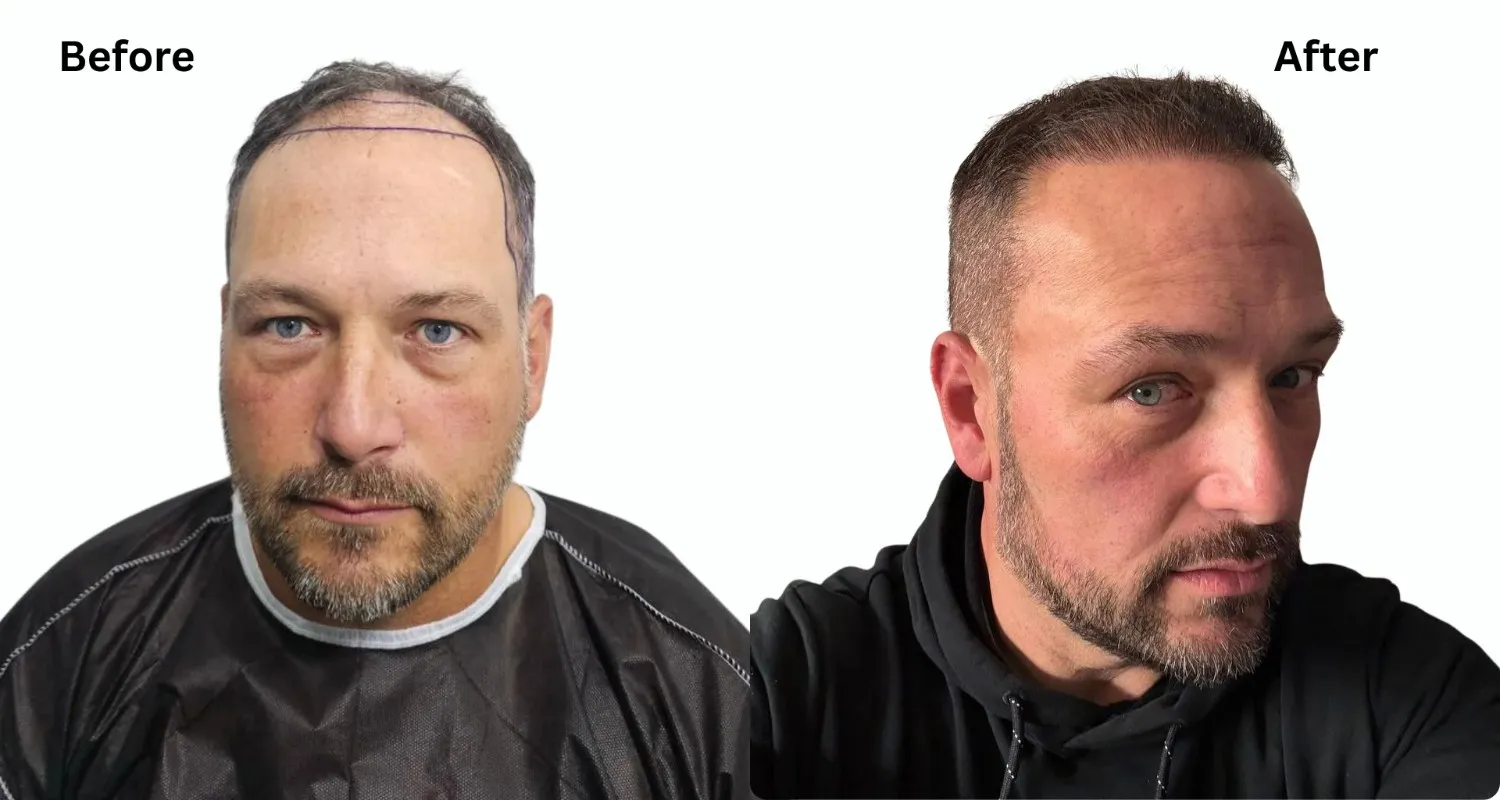
For most people, yes. A hair transplant becomes worth it when donor strength, medical planning, and expectations align. The result offers permanent growth, natural appearance, and a renewed sense of confidence. It is less rewarding when rushed decisions, unrealistic goals, or weak donor supply shape the process.
With responsible evaluation and experienced medical guidance, a hair transplant restores far more than hair. It restores comfort & confidence in your appearance.
Ready to rediscover your confidence and natural hair? Book your consultation with UniquEra Clinic today and take the first medical step toward lasting results.
FAQ: Hair Transplants, Results, and What Patients Should Know
1. How long does recovery take? Most people feel comfortable within a week. Healing continues quietly under the skin, and new growth starts after a few months.
2. Will the transplanted hair fall later? Transplanted follicles come from the permanent donor zone, so they usually keep growing for life. This is why the hair transplant procedure works well for long term results.
3. Does the procedure hurt? Local anaesthesia keeps the treatment comfortable. You may feel mild soreness afterward, which settles quickly.
4. Is one session enough? It depends on your donor strength and how large the thinning area is. Some patients need one session, others need staged planning.
5. Should I choose Sapphire FUE or DHI (Direct Hair Implantation)? Both are strong methods used in Turkey. Sapphire FUE helps with higher density. DHI gives precise angle control. At UniqueEra Clinic, the team recommends the technique that fits your scalp and long term goals.
6. Does UniquEra offer a follow up? Yes. Patients receive guided washing support, growth tracking, and check ins at multiple stages.
7. Is hair transplants worth it? If you have stable donor hair and realistic expectations, the answer is usually yes. You get permanent follicles that grow like natural hair. This is why many people consider Turkey among the best hair transplants in Turkey.
8. How soon will I look normal? Most people look presentable within ten to twelve days. Redness and tiny scabs fade as the scalp settles.
9. Can women get a hair transplant? Yes. Women with patterned thinning and healthy donor areas respond well. A full assessment decides if surgery or medical management is better.
10. Does a hair transplant stop future hair loss? The procedure restores lost areas. However, native hair can still be thin. That is why clinics monitor patients and guide them on long term care.
11. Is Turkey safe for hair transplants? Yes, when you choose a Ministry-licensed clinic with proper medical protocols. UniquEra International Group follows structured safety, donor protection, and real medical supervision.
12. Does technique affect success? Yes. Methods like Sapphire hair transplant in Turkey and direct hair implantation allow higher accuracy and better survival, but only when used correctly by trained experts.