
Hair transplant mills in Turkey are clinics that run procedures like a factory. They book a lot of patients each day, give the doctor very little time with you, and stop replying the moment you fly home. They are the reason you see so many bad hair transplant stories online, even though Turkey is also home to some of the best clinics in the world.
The good news is that mills are not hard to spot once you know what to check. This guide explains what a hair transplant mill is, the 12 red flags to watch for, what a fair price actually looks like, and what a safe hair transplant process should feel like in Istanbul.
A simple first step is to get one written assessment from a clinic you trust and use it as a benchmark for every other quote. UniquEra Clinic offers a free online consultation and sends the diagnosis as a PDF, so you have something on paper to compare against.
A hair transplant mill is a clinic that puts the number of patients above the result of each one. They treat 10 or more people a day, the doctor often spends only 5 minutes with you, and most of the actual work is done by junior staff.
The result is rushed surgery, low graft survival, and unnatural hairlines. Many of these patients later spend two or three times the original cost trying to fix the damage.
Yes, Turkey is one of the best places in the world for a hair transplant when you pick the right clinic. The country has decades of experience, advanced techniques like DHI hair transplant Turkey and FUE hair transplant, and prices far lower than the US, UK, or Canada.
The catch is volume. Istanbul has more than 10,000 clinics, and not all of them are real medical practices. Your result depends on the clinic, not the country.
A hair mill is built around volume, while a real clinic is built around the result of each patient. The table below shows the everyday signs you can spot during your research.
| Area | Hair Mill | Real Clinic |
| Patients per day | 10 or more | 1 to 3 |
| Doctor time with you | About 5 minutes | 30 to 45 minutes |
| Consultation | Quick price quote | Scalp review and written plan |
| Pricing | Vague or surprise fees | Fixed and itemised |
| Graft promise | Unlimited or 6,000+ | Honest range based on your scalp |
| Aftercare | Stops after surgery | 12 months of follow-up |
| Communication | Pushy and rushed | Calm and informative |
Spotting a hair mill before you book is the most important step. Here are the 12 red flags to check for. If a clinic shows two or three of these, walk away.
1. No clinic accreditation or government authorisation
A safe clinic operates inside a facility that holds proper accreditation, like JCI or government authorization from the Turkish Ministry of Health. If a clinic cannot show you verified accreditation for their facility, that is a serious sign to stop. Real clinics also make sure every team member holds a certified medical qualification, along with years of practice.
2. Cheap tools and supplies
Mills often use low-cost punches, blades, and graft storage solutions to save money. This lowers graft survival and raises the risk of infection.
3. Prices that look too cheap to be real
Fair prices in Turkey sit between $3,000 and $6,000. Packages under $1,500 usually mean the clinic is cutting corners on staff, hygiene, or doctor time.
4. Unclean or rushed-looking clinic
A real clinic follows strict sterilisation steps for every patient. Dirty equipment or messy treatment rooms in clinic photos and videos are a clear warning.
5. Fake or thin patient reviews
Look for real long-term reviews on independent sites, not only on the clinic’s own page. Stock photos, fake celebrity endorsements, and only one-month results are common in mills.
6. A consultation that skips your scalp
A real consultation looks at your scalp, donor area, hair loss pattern, and medical history. A 5-minute price quote based on one selfie is not a consultation.
7. Pushy sales and constant ads
Daily messages, time-limited discounts, and pressure to pay a deposit fast are mill habits. A safe clinic gives you space to think.
8. “Perfect hairline” or “guaranteed result” promises
No clinic can guarantee a perfect hairline. Hair transplants always carry some variation, and ethical clinics talk in realistic ranges, not guarantees.
9. Hidden fees and vague treatment plans
Hair transplant costs should be fixed and itemised in writing. Surprise per-graft fees, anaesthesia charges, or “must-buy” aftercare products on arrival are sales-first signs.
10. No real aftercare
Real aftercare runs for 12 months with check-ins at 1, 3, 6, and 12 months and a way to message the clinic. Mills usually stop replying once your payment clears.
11. Promises of unlimited or 6,000+ grafts in one session
No clinic can safely place unlimited grafts in one go. Over-harvesting permanently damages your donor area and limits any future hair transplant surgery.
12. No clear answer on who will perform your surgery
You should know exactly who will do the incisions and supervise your case. If the clinic dodges this question, treat it as a final no.
Once you know what to check for, the easiest next step is to put one trusted clinic’s plan side-by-side with the others. UniquEra Clinic sends a free PDF diagnosis after the online consultation, which works well as a benchmark for the rest of your research.
A real hair transplant in Turkey costs between $3,000 and $6,000 for a full DHI or FUE package of 3,000 to 4,000 grafts. The price usually covers the procedure, the hotel, transfers, and aftercare products.
For comparison, the same 3,000 grafts in the US can cost $20,000 to $30,000, and many US clinics can only place around 1,000 grafts in one session due to local rules. That price gap is why so many patients fly to Istanbul in the first place.
No, high volume on its own does not make a clinic a hair mill. Some good clinics in Istanbul handle several patients a day without losing quality, because they have the right team size and proper systems.
The real test is who does the surgery, how long the doctor spends with each case, and whether the clinic gives full aftercare. A hair mill is unsafe because it skips these basics, not because it sees a lot of patients.
To avoid a hair mill, ask three direct questions before you pay any deposit. First, who will personally perform the incisions and stay involved in my case? Second, can I see a written plan with a graft range based on my scalp? Third, what does aftercare include for the next 12 months?
A real clinic answers all three calmly, in writing, without changing the subject. If the answers are vague or pushy, you are likely talking to a sales team, not a medical one.
UniquEra Clinic is built on the opposite of a hair mill model. Every case is led by Medical Directors with over a decade of hands-on hair transplant experience, supervising each case, with only a small number of patients booked per day so each scalp gets full attention.
A proper hair transplant in Turkey is not a one-day procedure. It is a structured medical process that starts before you travel and continues for a full year after surgery.
At UniquEra Clinic, each step is designed to protect your donor area, plan the result correctly, and make sure what was discussed in consultation is actually delivered in the clinic.
The process starts remotely.
You share clear photos or join a video call where a medical consultant reviews:
This is where expectations are set properly.
Not just whether you can do a transplant, but what kind of result is realistically possible.
If your donor area is weak or the case is not suitable, this is where it should be identified. No shortcuts at this stage.
After the consultation, you receive a written treatment plan, usually as a PDF.
It includes:
This step creates clarity before you make any decision. If a clinic skips this and pushes for payment first, that is usually a warning sign.
Once you arrive in Istanbul, the process starts with medical checks.
This step confirms you are medically fit for the procedure. It also allows the team to adjust the plan if anything has changed since the online consultation.
The procedure is planned around your case. Not around a fixed technique or package.
Extraction is the first step in both methods:
Hair follicles are taken one by one from the donor area with high precision. The focus is to protect the donor and avoid long-term damage.
Then the approach depends on your needs:
The outcome depends less on the technique and more on how the team handles:
That is what makes the result look natural.
The procedure is only the beginning.
Aftercare starts the next day with:
Then comes structured follow-up:
You also stay in touch with the team for any questions during recovery.
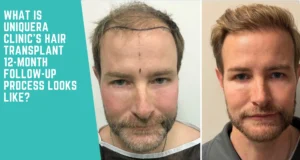
Hair growth takes time. Shedding happens first, then regrowth begins. Final results take around 12 months.
This phase is just as important as the surgery itself.
A hair transplant is not just about grafts.
It comes down to:
If one part is weak, the result suffers.
That’s why the process matters more than the promise.
A hair transplant is not about just “getting grafts done”.
It is about:
If one of these is weak, the result suffers.
That’s why the process matters more than the promise.
Hair transplant mills in Turkey win when patients rush. They lose when patients slow down, ask the right questions, and choose a clinic that treats them like a patient instead of a booking.
Turkey is still one of the best places in the world for a hair transplant. Just pick a clinic that earns your trust on paper, in conversation, and in aftercare. Everything in this guide is designed to help you do exactly that.
If you want to see what personalized care looks like in practice, you can request a free online consultation with UniquEra Clinic. You will receive a proper scalp review and a written treatment plan, so you have real information to compare before you decide anything.
A clinic is likely a hair mill if it pushes prices below $1,500, refuses to name the doctor, and skips a real scalp consultation. Mills also tend to promise huge graft numbers and stop replying once you have paid. Calm, informative communication is usually the easiest sign of a real clinic.
3,000 hair grafts in the USA usually cost between $20,000 and $30,000, depending on the clinic and the city. The same number of grafts in Istanbul ranges from $3,000 to $6,000 in a full package. The price gap is mostly labour and operating costs, not the quality of the work.
Neither DHI nor FUE is universally better. They suit different scalps and different goals. DHI usually gives more control over angle and density, while FUE Sapphire works well for larger sessions and certain donor areas. A real clinic recommends the one that fits your scalp, not the one with a higher margin.
Yes, many bad hair transplants can be improved with revision work, but the donor area sets the limit. If a previous clinic over-harvested your donor zone, you may have fewer follicles left to work with. The first step is a proper scalp review to see what is realistic.
You should stay in Istanbul for at least 2 to 3 days after a hair transplant procedure. This gives the clinic time to do the first wash, check the grafts, and give you in-person aftercare instructions before you fly home. Flying too soon can cause swelling and put stress on the new grafts.