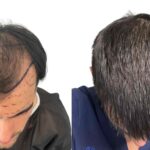
For many men, growing a beard is more than just a style choice – it’s an expression of confidence and individuality. Yet for countless others, patchy or uneven facial hair growth becomes a quiet frustration. Sparse growth on the jawline or gaps in the mustache can make even a well-maintained beard feel incomplete.
This isn’t just a cosmetic concern – it often affects how men perceive themselves and how they’re perceived by others. While genetics play a role, factors like hormones, scarring, or poor follicle nourishment can also impact facial hair growth. Fortunately, advanced solutions like a beard transplant and beard transplant in Turkey now allow men to restore natural, consistent facial hair and the confidence that comes with it.
At UniquEra International Group, we approach each case as a blend of trichological science, aesthetic design, and patient-centered care. This guide will walk you through what you need to know before, during ,and after a beard transplant.
A beard transplant involves moving healthy hair roots (called follicles) from a donor area — usually the back of the scalp to areas of the face where beard growth is thin or absent.
Each follicle is carefully placed at the correct angle and direction to match natural beard growth. The process is performed under local anesthesia, making it virtually painless. Over the next several months, these implanted hairs blend seamlessly with your existing facial hair, creating a thicker, more even look. For inspiration, patients often review beard transplant Turkey before and after photos to understand realistic results.
This procedure can help men who experience:
Before recommending the procedure, hair restoration specialists at UniquEra International Group conduct detailed assessments. They use tools like high-resolution scalp imaging (trichoscopy) and donor density mapping – in simple terms, a magnified look at how strong and dense your hair roots are. This ensures strong donor areas for the best beard transplant in Turkey results.
1. Personalized Design Consultation
Your beard’s ideal shape, density, and symmetry are discussed. An expert maps out the growth, direction, and natural contour to ensure results suit your face perfectly.
2. Donor Extraction
Healthy hair follicles are gently removed from the donor zone using a micro punch device. These follicles are chosen because they resemble facial hair in texture and growth rate.
3. Implantation Phase
Each follicle is implanted individually at precise angles that mimic natural beard patterns – along the chin, cheeks, sideburns, and mustache.
4. Healing and Growth
Tiny scabs fall off within a week. Shedding of transplanted hair happens within the first month, followed by new growth starting around the third month. By 9–12 months, you can expect a well-defined, natural beard.
Choosing a clinic for a beard transplant in Turkey has become one of the most popular medical travel choices globally due to:
However, results depend entirely on choosing the right clinic. Unlicensed or technician-only setups can risk poor design, infection, or unnatural density.
What makes UniquEra International Group trusted by patients worldwide for its ethical and medical-first approach, ideal for men seeking the best beard transplant in Turkey. For us, it is an unwavering commitment to medical integrity and human care.
Here’s what defines our approach:
At UniquEra International Group, restoration is more than a procedure – it’s a process of rebuilding confidence.
| Timeline | What to Expect |
| Days 1–7 | Mild swelling; avoid shaving or touching the area. |
| Weeks 2–4 | Temporary shedding (a natural process). |
| Month 3 | Fine new hairs start to grow; the beard begins filling in. |
| Months 6–12 | Noticeable density and definition appear. |
| After 1 Year | Your beard behaves like natural facial hair – ready for styling. |
Proper aftercare – gentle washing, avoiding friction, and following medical advice ensures lasting, healthy results.
A beard isn’t just facial hair – it’s a symbol of personality, maturity, and self-assurance. When patchiness stands in the way, modern medicine offers a way to feel whole again.
At UniquEra International Group – a trusted name among the best hair clinics in Turkey and known for delivering expert hair transplant Turkey standards, our experts combine surgical precision with compassionate care – helping men around the world restore not just their beards, but their confidence.
If you’re looking for the best beard transplant in Turkey, UniquEra delivers precision, artistry, and medical excellence. Explore our beard transplant Turkey before and after results and schedule your consultation today – and let your reflection finally mirror how you feel inside.
1. Is a beard transplant in Turkey safe?
Yes, when performed in a licensed medical facility by an experienced surgeon under Ministry of Health certification.
2. How long does it take to heal from a beard transplant?
Most patients return to daily routines in a few days, with full recovery and growth visible within a year.
3. Does a beard transplant look natural?
Yes. Specialists implant each hair at the natural growth angle to replicate your beard’s natural direction and density.
4. Is a beard transplant permanent?
Yes, it is permanent. Transplanted follicles continue to grow for life, just like your regular facial hair.
5. When can I shave after a beard transplant?
Once your transplanted hairs have rooted (after 2-4weeks), you can shave and style your beard freely. Initially, you have to wait at least 2-4 weeks as transplanted hair follicles need some time to settle.
6. How long does a beard transplant take?
Typically, between 4–6 hours, depending on the number of grafts required and your desired beard density.
7. Can I undergo a beard transplant if I have sensitive skin?
Yes, but a pre-surgical skin assessment ensures the right technique and post-care plan for your comfort and safety.
8. How can I maintain my new beard after the transplant?
Use mild cleansers, keep your skin hydrated, and follow your doctor’s aftercare routine. Avoid harsh styling products in the first few months.