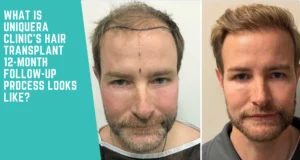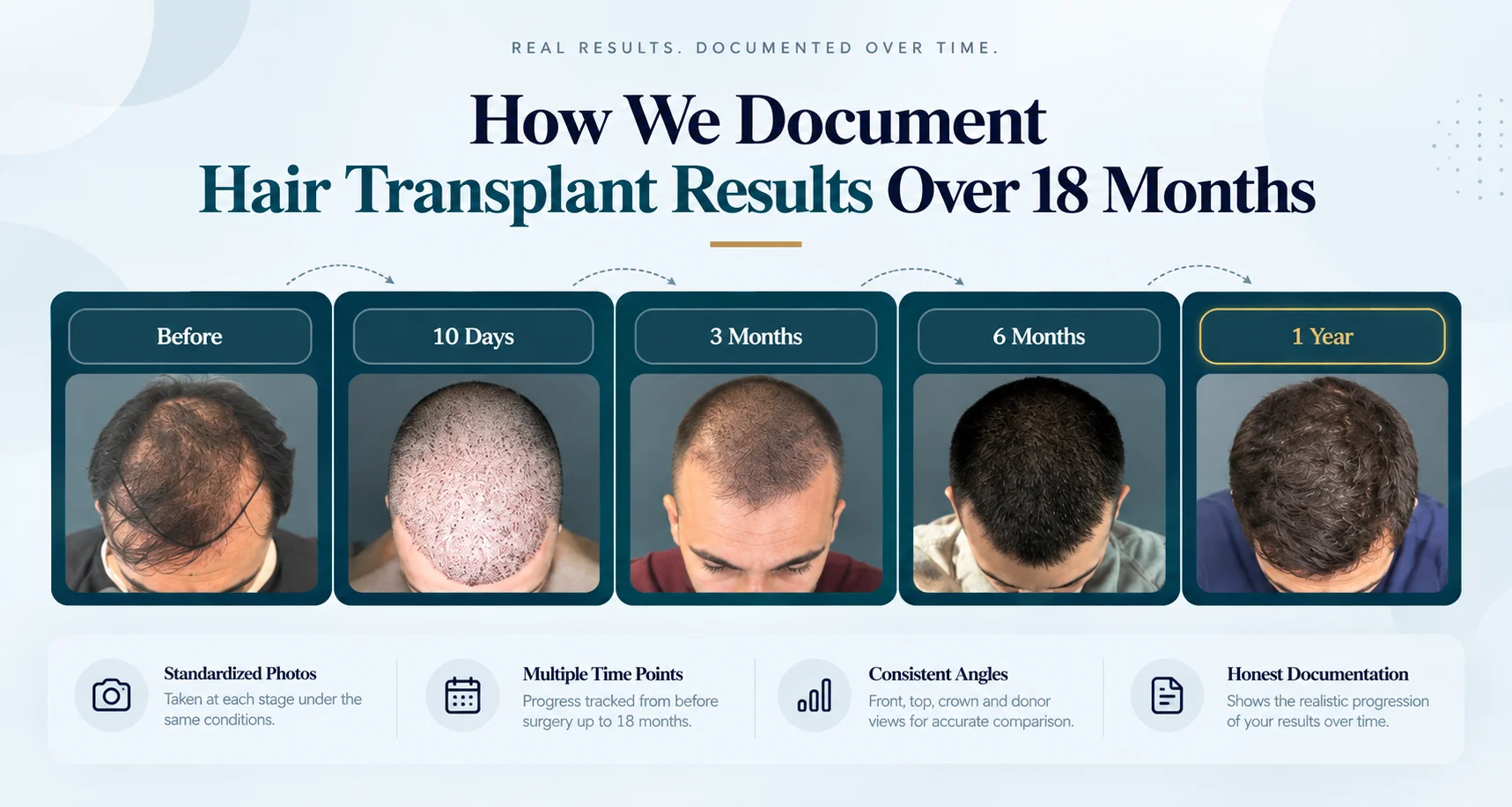

Hair transplant results should be documented against how the patient looked before surgery, not judged from one final before-and-after photo.
At UniquEra Clinic, documentation begins before the procedure with treatment planning and standardized photographs. Scheduled follow-ups then take place around 1, 3, 6, and 12 months. When later case material is available, it can provide an extended comparison beyond the standard follow-up period.
The purpose is simple: to show how the recipient area, hairline and donor area change over time.
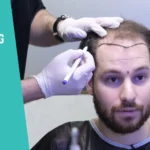
Photos are taken before surgery, and follow-up documentation continues as the result develops.
Before treatment, UniquEra Clinic records:
These images create the baseline against which later hair transplant results can be compared.
Read What Makes a Hair Transplant Result Successful? Our Measurable Criteria for what we look for when reviewing the final result.
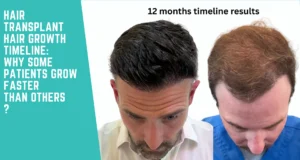
Each follow-up shows a different stage of development, so the comparison is made with the original treatment plan rather than with one isolated photograph.
| Follow-up point | What the documentation helps review |
| Before surgery. | Starting hair loss, donor area and planned zones. |
| Around 1 month. | Early post-operative development and healing. |
| Around 3 months. | Early stage of the result compared with baseline. |
| Around 6 months. | Developing coverage and overall progression. |
| Around 12 months. | Near-full result and comparison with the original treatment plan. |
| Later comparison, when available. | How the result and surrounding native hair look beyond the standard follow-up period. |
Not based on UniquEra Clinic’s current documented follow-up schedule.
The clinic’s scheduled checkpoints are around 1, 3, 6, and 12 months. An 18-month image should therefore be treated as additional long-term case documentation when available, not described as a mandatory clinic appointment.
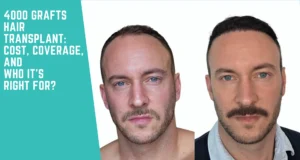
Useful before-and-after photos should allow the same areas to be compared over time.
A result is harder to evaluate if the “before” image hides the donor area or the “after” image only shows the strongest angle.
For each case, the useful comparison includes:
UniquEra Clinic also obtains consent before patient photos or videos are used publicly.
Because a hair transplant result includes the donor area, not only the new hair at the front.
A recipient area may look fuller while the donor area has become visibly depleted.
That is why documentation should allow the result to be viewed from both sides of the procedure.
Read How We Prevent Overharvesting During Hair Transplant Surgery for how donor management is planned.
The result should still be documented against the original treatment plan, regardless of the technique used.
With a Sapphire FUE hair transplant, the important comparison is still:
The technique name does not replace result documentation.
At UniquEra Clinic, “FUE Sapphire” refers to FUE extraction combined with sapphire-blade channel opening during implantation planning.
Manual FUE describes how grafts are extracted, not a separate implantation method.
In a manual FUE hair transplant, follicles are extracted manually rather than with a motorized extraction tool.
That means the result should still be documented in the same basic way:
baseline → treatment plan → donor appearance → recipient development → long-term comparison.
Manual FUE is used selectively at UniquEra Clinic and is mainly suitable for smaller graft-count cases rather than every patient.
A crown hair transplant should be compared with the crown before surgery, not only with frontal photographs.
Crown cases need clear documentation of:
This matters because crown treatment is a separate restoration zone and should be assessed against what was actually planned for that area.
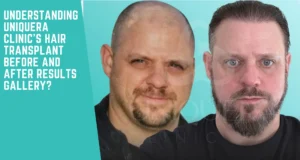
UniquEra Clinic also organizes transformation cases by categories such as crown baldness, hairline recession, full coverage and combination cases, which helps patients compare results that are relevant to their own pattern.
No. A single photo can show appearance at one moment, but it does not show how the result developed or how it compares with the original plan.
Good documentation should answer:
That is why UniquEra Clinic uses follow-up rather than treating one final photograph as the whole result.
Because native hair can continue changing after transplanted grafts have grown.
A result may look strong at one stage while surrounding non-transplanted hair continues to thin later.
Longer-term documentation helps show whether the original design still works with that change.
Read How UniquEra Clinic Assesses Long-Term Hair Loss Before Surgery for how future progression is considered before treatment.
Do not compare only the amount of hair visible in the final photograph.
Look for:
Want to see cases closer to your own pattern? Send UniquEra Clinic your photos so the team can show you relevant examples based on areas such as the hairline, crown, donor characteristics and overall hair loss.
UniquEra Clinic’s documented follow-up schedule includes approximately 1, 3, 6, and 12 months.
They can provide additional long-term context when available, but 18 months is not listed as a standard scheduled UniquEra Clinic follow-up.
No. The technique may differ, but the result is still compared with the baseline treatment plan and donor appearance.
No. Manual FUE refers to manual graft extraction. Implantation is a separate part of the procedure.
Yes. The crown result and donor area should both be considered when assessing the overall procedure.