Diffuse Thinning Hair Transplant In Turkey
- Home
- Diffuse Thinning Hair Transplant In Turkey
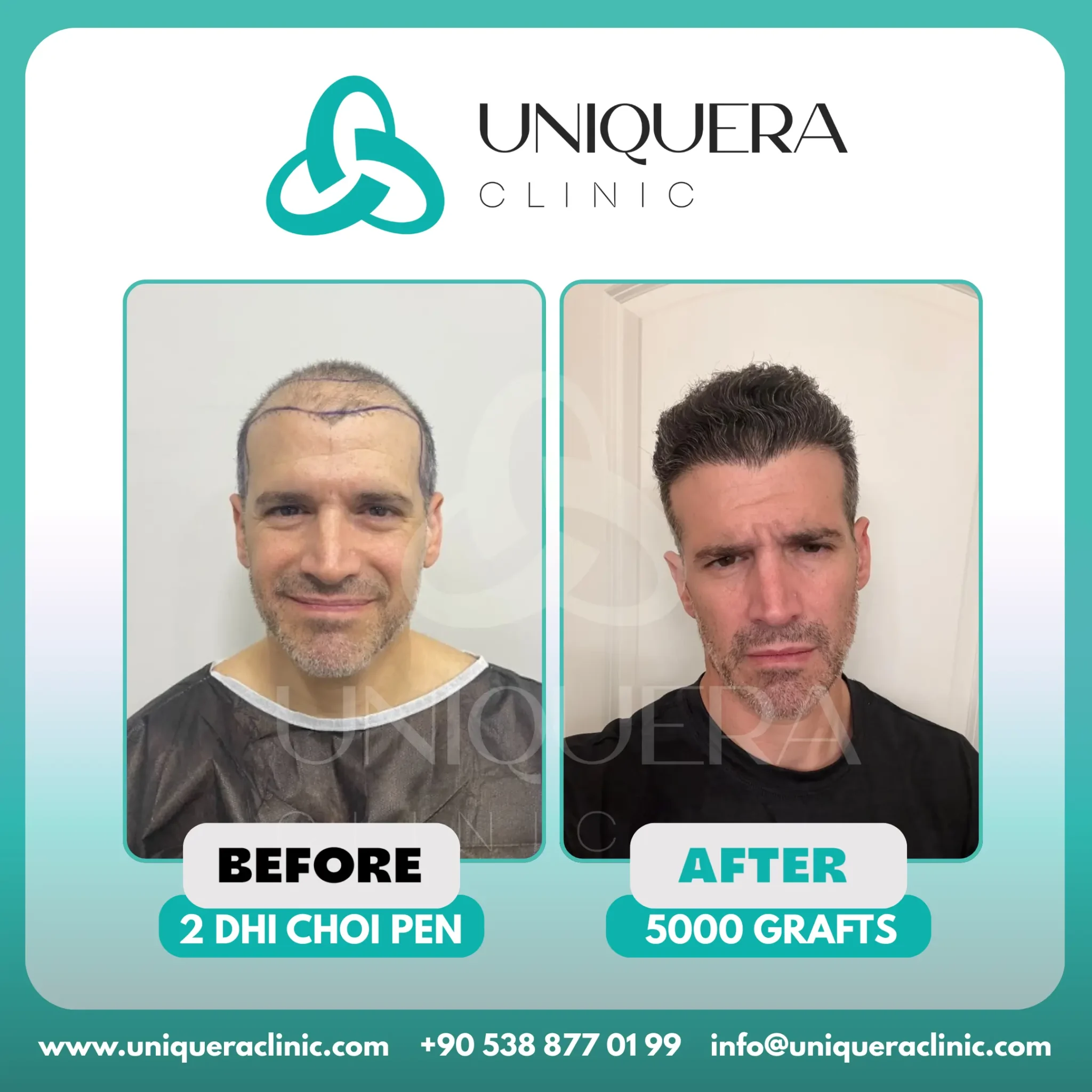
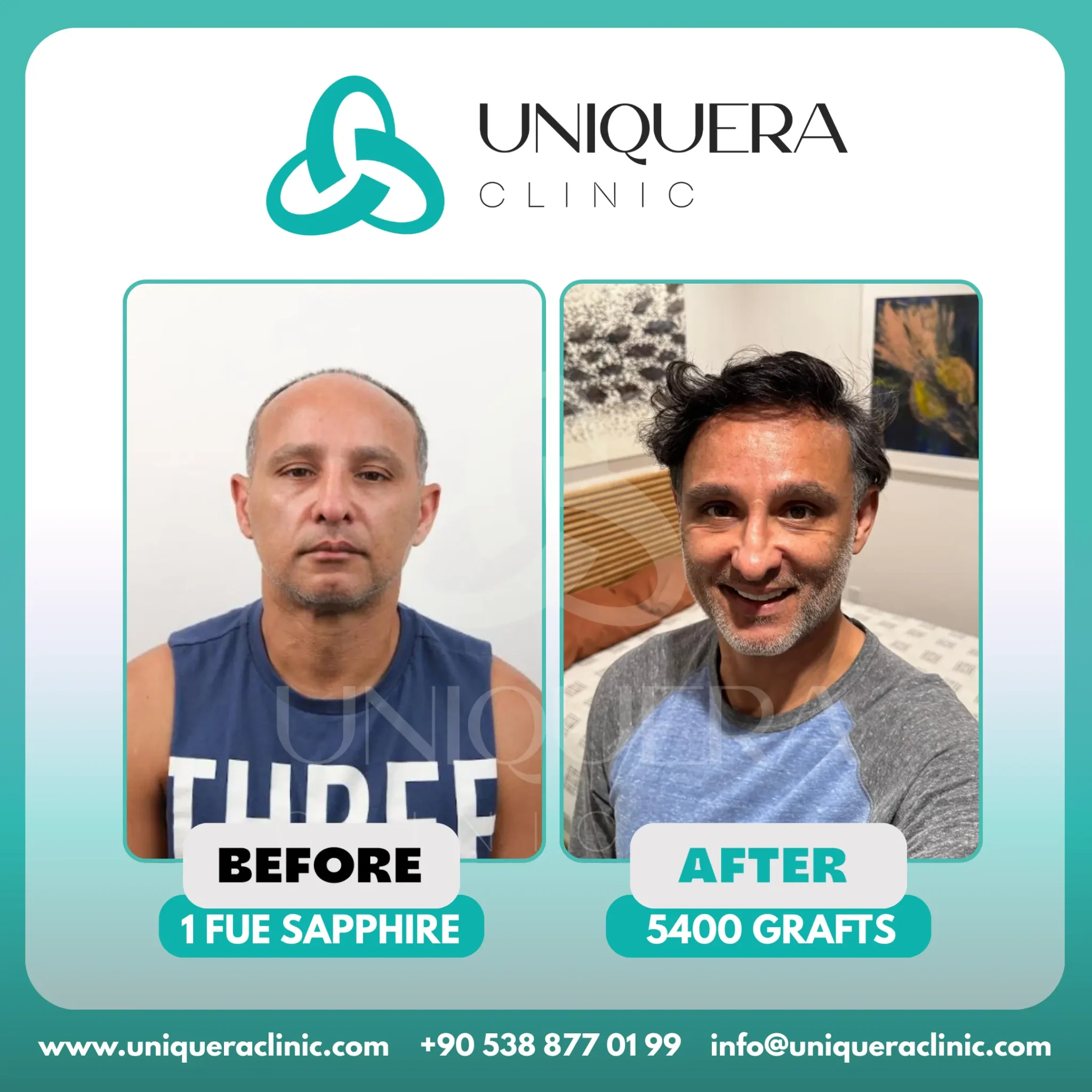
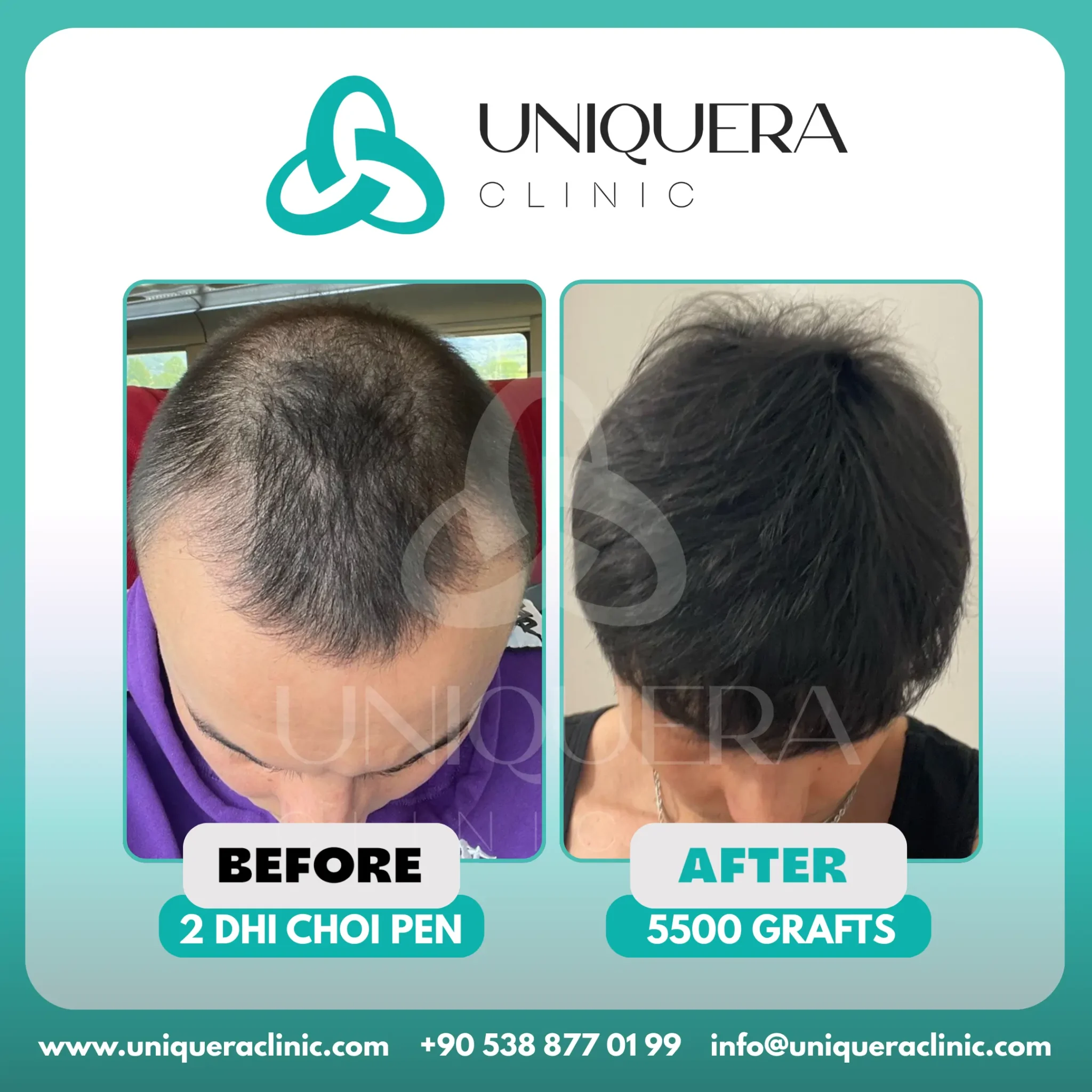
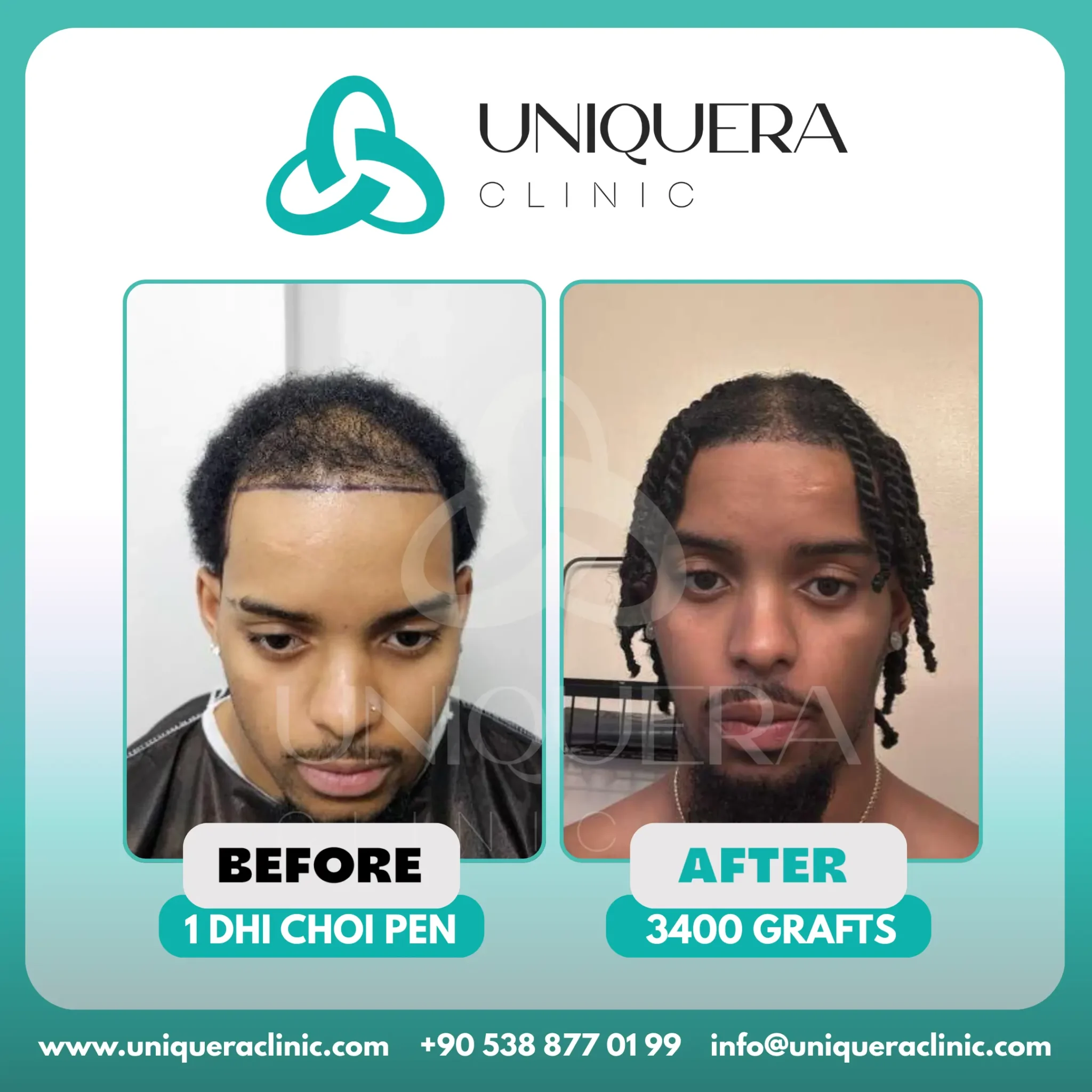
Personalised, expert-led treatment for diffuse thinning hair– delivering even, natural-looking density across the scalp, with complete transparency.
Diffuse thinning occurs when hair density decreases evenly across the scalp, making the scalp more visible without forming distinct bald patches.
Unlike more localised hair loss, diffuse thinning can affect several areas at the same time, often while the original hairline remains partly intact.
A diffuse thinning hair transplant can help restore more balanced, natural-looking density when the donor area is stable and the patient is suitable for treatment.
Diffuse thinning can develop gradually and may be linked to several underlying factors, including:
Identifying the likely cause is an important part of deciding whether a hair transplant is suitable and how the treatment should be planned.
Eligibility comes down to one thing above all: how stable your donor area is – not how much thinning you see on top.
Thinning follows a recognisable pattern, while the donor area at the back and sides of the scalp remains dense and stable.
Often suitable for transplant- grafts taken from the stable donor zone can be redistributed to rebuild density on top.
Thinning affects the donor area itself, not just the crown or top – so there’s no reliably stable zone to harvest from.
Usually ineligible for transplant- moving unstable grafts risks the same thinning recurring in their new location. This is exactly why we assess this before recommending surgery, not after.
Not sure which applies to you? A free trichoscopy assessment tells us in one session
Because diffuse thinning affects a wider area and often leaves existing hair between the thinning zones, technique selection requires careful planning.

Free virtual consultation with photo review
Detailed assessment of your scalp, donor density, and hair loss pattern.
DHI, Sapphire FUE, or a combined approach recommended based on your case.
Careful graft extraction and implantation for even, natural-looking density.
Comprehensive aftercare with follow-up support and a smooth recovery.
The cost of a diffuse thinning hair transplant depends on your treatment plan, including the technique recommended and the complexity of your case.
At UniquEra, cost is determined by:
Transparent pricing. No hidden fees. Personalised treatment plans.
Diffuse thinning results develop gradually as the transplanted grafts begin growing across the treated areas.
Results vary depending on donor quality, the extent of thinning, and the treatment plan.
A diffuse thinning hair transplant is a minimally invasive procedure performed under medical supervision. Careful planning is especially important to protect both your existing hair and donor area.
Your clinical assessment helps determine whether a hair transplant is the right option before any treatment is recommended.

Schedule a free consultation for a graft assessment based on your hair loss, donor area, and long-term goals. Clear answers before you make any decision.
Yes, if your donor area is stable and suitable for transplantation. This is confirmed during your clinical assessment.
Most patients return to normal daily activities within 5–7 days, although healing continues over the following weeks.
No. The procedure is performed under local anaesthesia, and any mild discomfort during recovery is temporary.
Yes. Women may be suitable candidates if their donor area is stable and they meet the clinical criteria.
No. Transplanted follicles are usually DHT-resistant and permanent.
Diffuse thinning reduces hair density evenly across the scalp, while pattern baldness usually affects the hairline or crown first.
Common causes include genetics, hormonal changes, stress, nutritional deficiencies, certain medications, and some medical conditions.
In some cases, medication or treating the underlying cause may help slow or improve hair loss. A transplant is considered when appropriate.
Yes. Diffuse thinning can affect both, although the underlying causes may differ.
Yes, if the donor area is healthy and stable enough to support transplantation.
New growth usually begins around 3–4 months, with fuller results developing over 12–18 months.
Most patients stay 2–3 nights for the procedure and their initial post-operative check-up.
Book your free consultation through this page or send us your photos on WhatsApp for a personalised assessment.