
If you’re young and noticing your hair thin, it’s not just about hair. It’s about doubt.
You still look fine. People around you may not even notice. But you do. In photos. In mirrors. In the way you style your hair a little more carefully than before. That’s usually when curiosity starts. Not because you want surgery, but because you want to understand what’s happening before it goes too far.
Some clinics say age doesn’t matter at all. Others say wait, without explaining why. Forums are full of mixed opinions, fear stories, and before-after photos that don’t tell the full truth. Instead of clarity, you’re left second-guessing yourself.
The truth is that there is no absolute best age for hair transplants surgery, but age does matter. It affects how predictable your hair loss pattern is, how much donor hair you have available, and whether results will look natural as you continue to age. Understanding when the timing is right requires looking beyond the number on your birthday and focusing on factors like pattern stability, overall health, and realistic expectations.
This article explains the role age plays in hair transplant candidacy, why younger patients are often advised to wait, why older patients can still be excellent candidates, and what truly determines whether you are ready for hair restoration surgery.
If you are unsure whether your age and hair loss pattern make you a suitable candidate, a free medical scalp assessment at UniquEra Clinic can help clarify whether hair transplant surgery, non-surgical treatment, or a combined approach is appropriate.
Legally, most countries allow hair transplant surgery from age 18. However, ethical surgeons rarely recommend the procedure for anyone under 25 unless there is a specific medical reason.
The gap exists because:
Most experienced surgeons consider 25 the ethical minimum age for cosmetic hair transplants related to pattern baldness. By this age, hair loss patterns have usually stabilized enough to allow proper planning.
Exceptions exist for:
These cases are evaluated individually, and the hair loss must be permanent and non-progressive.
The ideal age for hair transplant surgery is generally between 25 and 40 years old. This range represents a balance between pattern stability, adequate donor supply, and realistic patient expectations.
Why this age range works best:
| Age Range | Candidacy Status |
| Under 18 | Rarely appropriate except trauma/congenital cases |
| 18-24 | High caution; only ethical with clear, non-pattern causes |
| 25-40 | Ideal window: Pattern clear, expectations mature |
| 40+ | Still very viable with stable patterns and good health |
Surgeons assess readiness by evaluating hair loss pattern progression over time, not just age. A 28-year-old with stable, documented hair loss over several years may be a better candidate than a 35-year-old whose thinning accelerated recently.
Hair transplant surgery in younger patients carries specific risks that are not present in older candidates.
Major risks include:
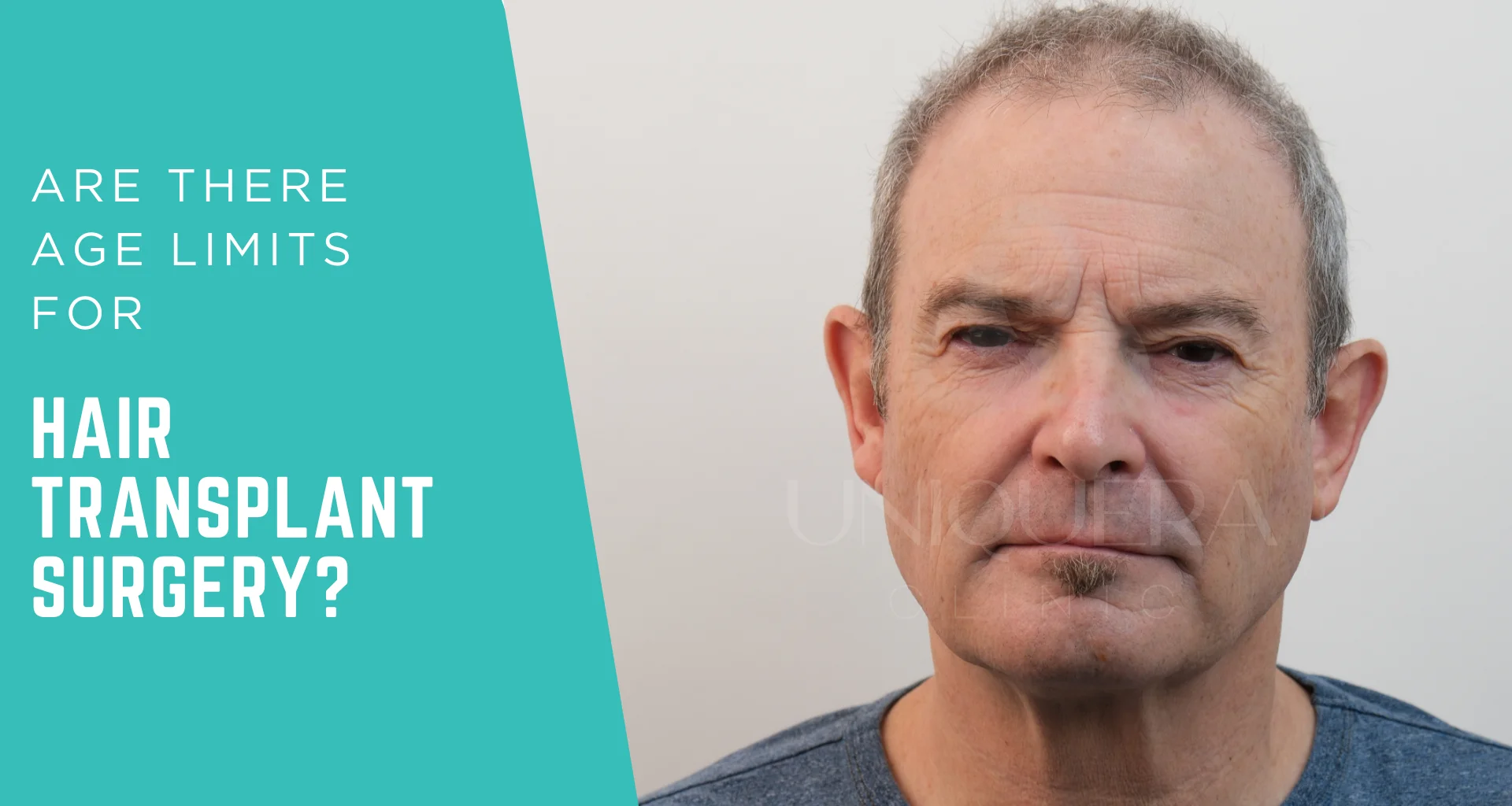
Yes, older patients can get hair transplants. There is no upper age limit for hair transplant surgery. Patients in their 50s, 60s, and even 70s can be excellent candidates as long as they are in good health.
Advantages older patients have:
What matters more than age:
Older patients may need medical clearance from their primary care provider, especially if they have:
However, these conditions do not automatically disqualify someone if they are well-managed. Many older patients report high satisfaction with their results.
Age alone does not determine candidacy. Certain medical conditions can affect whether hair transplant surgery is safe.
| Condition | Impact on Candidacy |
| Controlled Diabetes | Safe with stable blood sugar levels |
| Uncontrolled Diabetes | High risk: infection, delayed healing, poor graft survival |
| High Blood Pressure | Must be controlled before surgery |
| Heart Disease | Requires medical clearance; may need to pause blood thinners |
| Autoimmune Disorders | May attack transplanted follicles; non-surgical options preferred |
| Blood Clotting Disorders | High bleeding risk; requires careful evaluation |
Key takeaway: Well-managed chronic conditions rarely disqualify patients. Transparency about medical history during consultation is essential.
What Factors Matter More Than Age for Hair Transplant Candidacy?
Age is only one factor in determining candidacy. Several other factors carry equal or greater weight.
1. Hair Loss Pattern Stability
2. Sufficient Donor Hair Quality
3. Realistic Expectations
4. Overall Health Status
Not all hair loss in younger patients is due to pattern baldness. In rare cases, surgery may be considered for patients under 25.
Exceptions include:
Even with exceptions, surgeons evaluate:
Each case is assessed individually with full transparency about risks and limitations.
If you are under 25 and experiencing hair loss, a medical consultation at UniquEra Clinic can help determine whether non-surgical treatment, surgical intervention, or a wait-and-see approach is the best option.
Some clinics actively market to men and women in their early twenties, presenting surgery as a quick fix. This raises ethical concerns.
Warning signs of unethical practices:
Questions to ask during consultation:
The answers reveal whether the clinic prioritizes your long-term well-being or immediate revenue.
At UniquEra Clinic, age is considered as part of a comprehensive evaluation, not as the sole determining factor.
Ethical Assessment Process:
Medical Team Expertise:
Long-Term Planning for Younger Patients:
Support for Older Patients:
Choosing the right time requires self-assessment and honest consultation with an experienced surgeon.
Self-Assessment Checklist:
Has your hair loss pattern remained stable for 1-2 years?
Do you have realistic expectations about density and maintenance?
Are you in good overall health?
Have you tried non-surgical options first?
Can you commit to post-operative care and long-term follow-up?
If the answer to any question is no, it may be too early for surgery.
For older patients: The decision comes down to health status and personal goals. If you are healthy, have adequate donor hair, and want to restore your hairline, age should not be a barrier.
There is no absolute right age for hair transplant surgery, but timing is everything. Younger patients must wait for pattern stability to avoid long-term complications. Older patients can proceed with confidence as long as their health allows.
Key takeaways:
An ethical surgeon who recommends waiting is protecting your future, not withholding treatment.
If you are considering hair transplant surgery and want to know whether your age and hair loss pattern make you a suitable candidate, book your free medical consultation at UniquEra Clinic now.
The legal minimum age is 18, but ethical surgeons typically recommend waiting until at least 25. This allows the hair loss pattern to stabilize and reduces the risk of long-term complications such as the island effect and donor depletion.
Surgery at 21 is rarely recommended unless hair loss is caused by trauma, scarring, or a congenital condition. For pattern hair loss, waiting until 25 or later is generally advised to ensure pattern stability.
No, 40 is not too old. Patients in their 40s are often ideal candidates because their hair loss pattern is stable, donor hair quality is still strong, and expectations are realistic.
Yes, patients in their 70s and even 80s can be excellent candidates if they are in good health. Medical clearance may be required, but older patients often achieve natural, satisfying results.
Surgeons recommend waiting until 25 because hair loss patterns are still evolving in younger patients. Operating too early increases the risk of the island effect, donor depletion, and needing multiple corrective surgeries.
If you undergo surgery too young, the transplanted hair may remain while surrounding native hair continues to recede. This creates an unnatural appearance that is difficult to correct and may deplete your donor supply.
The same principles apply to women. There is no upper age limit, but younger women are advised to wait until their hair loss pattern is stable. Female pattern hair loss can be less predictable than male pattern baldness.
Most surgeons recommend monitoring your hair loss for at least one to two years before considering surgery. This allows time to assess pattern stability and try non-surgical treatments first.
Age itself does not directly affect success rate. Factors associated with age, such as healing capacity, donor hair quality, and pattern stability, do play a role in outcomes and predictability.
If your hair loss started in your teens, it is important to wait until your pattern stabilizes before considering surgery.