
Head Medical Consultant & Patient Care at UniquEra Clinic
You’ve been managing this for years now-the gradual thinning, the shifting hairline, the calculations about lighting and angles. But you’ve reached a point where management isn’t enough anymore. You’re researching surgical solutions because you want something that actually lasts.
Then the doubt creeps in: “What if I go through with this-the cost, the recovery, the travel-and five years later, I’m back where I started?”
The emotional toll of progressive hair loss runs deeper than most people understand. It’s not vanity driving your research at night; it’s the accumulated weight of feeling less confident at work presentations, less comfortable in social photos, less like the person you used to be. You want your appearance to match how you see yourself internally.
You’re done with temporary solutions. You want permanence. But is a hair transplant permanent, or is that just what clinics promise to close sales?
This article answers that question through what experienced surgeons-including the specialists at UniquEra Clinic in Istanbul-actually observe in patients 10, 15, even 20+ years after their procedures. Not marketing claims, but documented clinical reality.
The verdict from experienced surgeons:Transplanted hair follicles relocated from the true donor zone-the back and lower sides of your scalp-are genuinely permanent. When extracted from genetically resistant areas and implanted with proper technique, they continue producing hair throughout your lifetime.
But “permanent” comes with essential conditions: Accurate diagnosis of your hair loss pattern, realistic planning that accounts for future thinning, expert surgical execution preserving follicle viability, and proper donor zone selection.When these factors align, is a hair transplant permanent? Yes-the transplanted follicles are.
The critical nuance: While transplanted hair stays permanently, your surrounding native hair may continue thinning if not medically managed. So the overall appearance can change even when transplanted grafts survive perfectly. Understanding this distinction is what separates realistic expectations from disappointment.
When experts discuss permanence, they’re referring specifically to transplanted follicles, not every hair on your head.
The foundational principle is “donor dominance”-hair follicles retain the genetic characteristics of their origin location. Follicles from the occipital region (back of head) are genetically programmed to resist DHT (dihydrotestosterone), the hormone responsible for androgenetic alopecia (pattern baldness). When these resistant follicles are relocated to thinning frontal or crown areas, they maintain their genetic resistance and continue growing permanently.
Here’s what you need to understand: A luxury hair transplant in Turkey or anywhere else doesn’t freeze your entire head of hair in time. It strategically relocates DHT-resistant follicles to areas where they’ll thrive permanently, while your genetic pattern may continue affecting non-transplanted areas.
This is why UniquEra Clinic emphasizes comprehensive diagnosis before surgery-identifying not just where you’ve lost hair, but predicting where you’re likely to lose more, so surgical planning accounts for your appearance not just next year, but a decade from now.
Also read, How Long Does a Hair Transplant Last?
You’re not getting hair “attached” or “glued” to your scalp. Surgeons are extracting complete living follicular units-each containing 1-4 hair follicles along with sebaceous glands, blood supply structures, and stem cell populations-and relocating them to recipient areas where they establish new blood supply and resume natural growth cycles.
| Zone | Follicle Resistance | Long-Term Growth |
| Occipital (Lower Back) | High | Excellent |
| Parietal (Upper Side) | Moderate | Variable |
| Crown or Frontal Edge | Low | Poor |
Precise zone mapping is why UniquEra uses digital density analysis, avoiding follicles that may later miniaturize.
What determines long-term survival beyond extraction: The angle of each implanted graft (typically 30-45 degrees matching your natural hair direction), the depth of placement (3-4mm into the dermal layer), and strategic density distribution (40-50 grafts/cm² at hairline, 25-35 grafts/cm² at crown). These technical details-not just the procedure name-determine both immediate survival rates and how natural your results look 20 years later.
Androgenetic alopecia operates through a well-documented mechanism: testosterone converts to DHT via the 5-alpha-reductase enzyme. DHT binds to androgen receptors in genetically susceptible follicles, triggering progressive miniaturization-the follicle shrinks, hair shaft diameter decreases, and growth cycles shorten until follicles become dormant.
The biological key: Occipital follicles possess fewer androgen receptors and lower 5-alpha-reductase enzyme expression. They’re genetically programmed differently. When relocated, they bring this resistance with them-producing terminal hairs in their new location despite DHT presence.
This isn’t theoretical speculation. It’s confirmed by decades of patient follow-ups showing properly transplanted follicles producing full-thickness terminal hairs 20, 25, even 30+ years post-procedure.
The permanence of your transplanted hair depends critically on follicle survival during the most vulnerable phase: the time between extraction and implantation.
What threatens follicle viability:
How expert clinics protect viability: Extracted grafts are immediately placed in hypothermosol or ATP-enriched preservation solutions maintained at optimal temperature (2-8°C). Surgical teams work to minimize “out-of-body time”-ideally keeping it under 2-3 hours from extraction to implantation.
Patients often focus on technique names-“FUE vs. FUT vs. DHI“-but experienced surgeons know that permanence depends more on execution quality than technique label.
Understanding the main approaches:
FUE (Follicular Unit Extraction): Individual follicular units extracted using micro-punches (0.7-0.9mm diameter). Creates tiny dot scars that heal virtually invisibly. Allows harvesting from wider donor zones. Recovery typically takes 7-10 days.
Sapphire FUE: Advanced FUE using blades made from sapphire crystal instead of steel. The harder, smoother crystal creates cleaner incisions with approximately 30% less tissue trauma than steel punches. This means faster healing, reduced scarring, and potentially better graft survival. Sapphire hair transplant in Turkey has become particularly popular as Turkish clinics were early adopters of this technology.
DHI (Direct Hair Implantation): Uses specialized Choi implanter pens that create the recipient site and place the graft in one simultaneous motion. Offers maximum control over angle, depth, and direction-particularly valuable for hairline refinement work requiring artistic precision.
What actually determines permanence across all techniques:
At UniquEra Clinic, technique selection follows from your individual characteristics-hair type, scalp laxity, coverage goals-rather than applying one universal method.
In 5-10+ year follow-ups, experienced surgeons observe consistent, predictable patterns:
Transplanted zones maintain coverage and density. The hairline created at age 35 still produces hair at 50. Crown grafts placed at 40 continue growing at 55. The relocated follicles fulfill their permanence promise-they keep producing terminal hairs decades after surgery.
Native hair around transplanted areas often continues its genetic progression. A patient who received frontal restoration at 32 may notice their vertex thinning further by 42. The transplanted hairline remains stable while untreated zones continue receding according to genetic programming.
Poor planning creates the “island effect”-transplanted zones appearing isolated, surrounded by expanding baldness. Smart surgeons design age-appropriate hairlines positioned and shaped to look natural even if significant loss occurs behind them. They anticipate future loss patterns and sometimes distribute grafts conservatively, preserving donor reserves for potential future refinement.
This forward-thinking philosophy is central to how UniquEra Clinic approaches surgical planning-every design considers not just how you’ll look next year, but how the restoration will age with you over 10-20 years.
1. Surgeon Judgment & Planning
Experienced surgeons know when to proceed-and when not to. They assess donor capacity, hair loss stability, and age-appropriate design to ensure results look natural even decades later.
2. Donor Area Preservation
The donor zone is limited. Extracting more than 20–25% or from unstable areas can lead to thinning and poor graft survival. A conservative, well-spread approach ensures long-term success and future flexibility.
3. Hair Loss Progression
In younger patients with fast-progressing loss, patterns may not be fully developed. This makes it risky to predict safe zones. Experts may delay or stage transplants in such cases.
4. Health & Lifestyle
Conditions like diabetes, smoking, poor nutrition, and high stress affect healing and graft survival. Addressing these factors before surgery is critical.
5. Aftercare in First 2 Weeks
Grafts need 10–14 days to anchor. Disruption, dryness, infection, or trauma during this window can damage results-making proper post-op care essential.
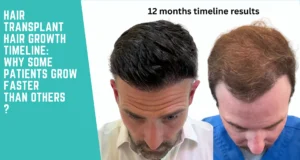
| Phase | What Happens |
| 1–3 Months | Shock loss. Grafts anchor. No visible growth yet. |
| 3–6 Months | New hair begins emerging. The texture may be thin. |
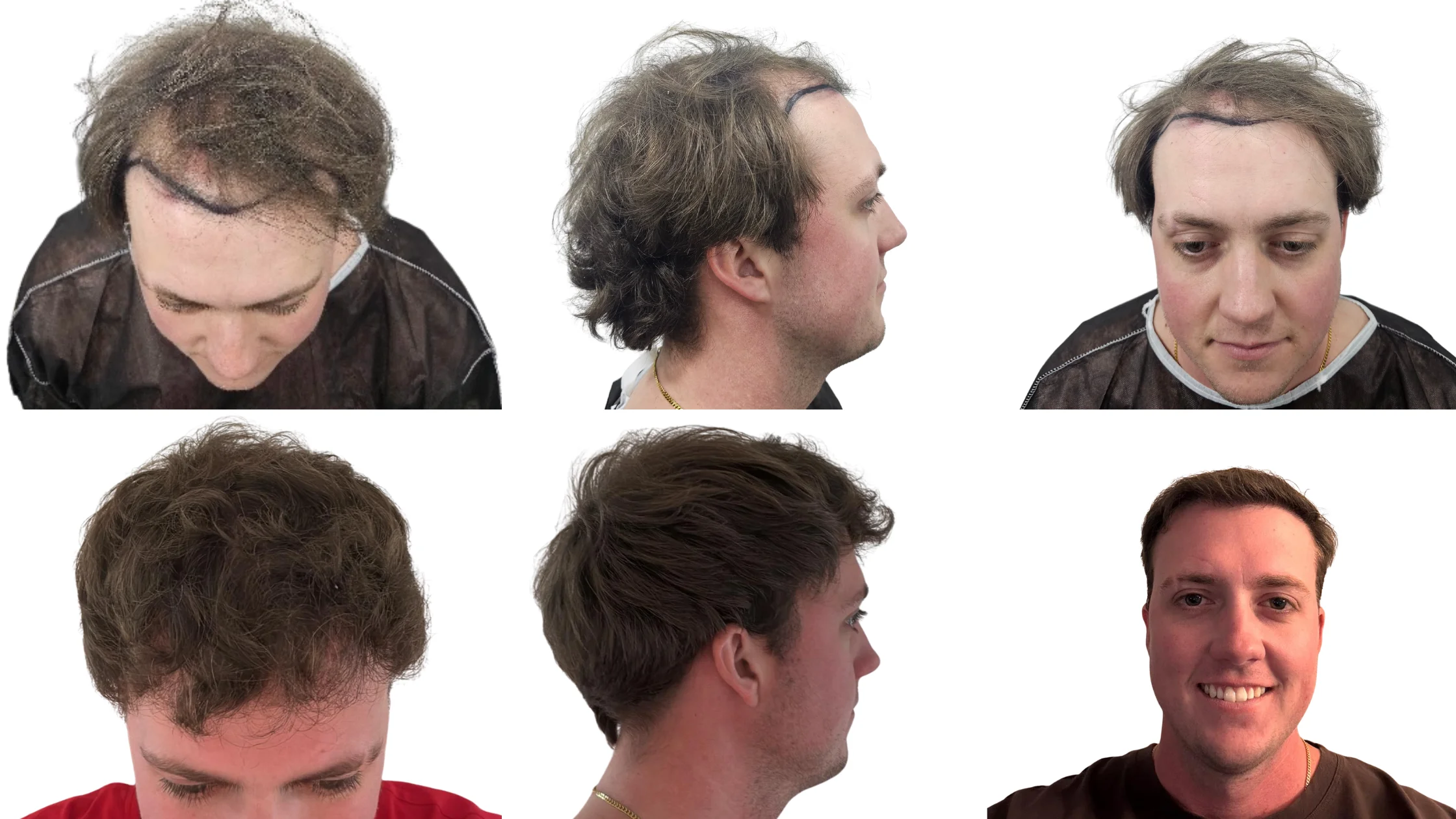
| 6–12 Months | 60–80% of the final result is visible. Hair thickens. |
| 12–24 Months | Full maturation. Natural integration. |
| Years 2–10+ | Long-term stability of transplanted zones. |
The timeline reveals that is a hair transplant permanent isn’t a simple yes/no question-it’s “yes, with the understanding that permanence unfolds gradually and depends on proper planning and execution.”
Clinical reality: Transplantation provides permanent follicles in treated areas only. Non-transplanted zones may continue thinning according to your genetic pattern. Many patients require staged procedures over time or medical management of remaining native hair to maintain optimal overall appearance long-term.
Clinical reality: After the initial 10-14 day healing period, transplanted hair behaves identically to your other hair. It doesn’t require specialized shampoos, serums, or treatments to “stay in place.” General scalp health matters-adequate nutrition, gentle handling, protection from excessive chemical or heat damage-but no “magic formulas” are necessary.
Clinical reality: Transplantation relocates resistant follicles; it doesn’t alter your underlying genetics or DHT levels. Non-transplanted native hair may continue its miniaturization process. Some patients benefit from medical management (topical or oral treatments) to slow native hair loss and maintain overall aesthetic balance as they age.
These myths persist because they’re more comforting than reality. Honest clinics address them directly during consultation rather than allowing unrealistic expectations to develop.
Ethical, experienced surgeons sometimes advise against immediate surgery, even when it means losing potential revenue:
Very early or unstable hair loss patterns: Transplanting before your pattern fully expresses risks placing grafts in areas that later prove non-permanent or creating unnatural distributions as loss continues around treated zones.
Extremely weak donor areas or diffuse unpatterned thinning: Some patients lack sufficient stable donor zones. Diffuse thinning affecting even “permanent zones” suggests relocated follicles may not maintain their resistance in their new location.
Unrealistic expectations relative to donor capacity: Requests for extremely low teenage hairlines at age 45, or Hollywood density with limited donor supply, can’t be achieved without either depleting donor areas unsafely or creating unnatural appearance.
Unmanaged underlying medical conditions: Active autoimmune conditions, uncontrolled metabolic disorders, or severe nutritional deficiencies should be addressed before surgery to optimize healing and graft survival.
The most permanent decision is sometimes waiting-preserving donor reserves and only proceeding when timing, planning, and patient condition optimize lifetime results rather than just immediate gratification.
At UniquEra Clinic, approximately 30-40% of initial consultation requests result in recommendations to wait, treat underlying conditions first, or proceed with more conservative graft counts than patients initially requested. This honest gatekeeping protects patients from poor long-term outcomes.
UniquEra hair transplant clinic in Turkey, a part of UniquEra International Group, approaches hair restoration with a distinctive long-term philosophy: every surgical design considers your appearance not just next year, but 10, 20, 30 years forward.
Advanced assessment beyond visual examination: Digital trichoscopy and computerized density mapping identify true safe donor zones with genetic
Comprehensive health screening: Hormonal panels (thyroid, testosterone, DHT levels) and nutritional markers (iron, vitamin D, protein status) reveal factors affecting both transplant success and ongoing native hair health. Addressing these before surgery optimizes outcomes.
Family pattern analysis: Examining hair loss patterns in older male relatives helps predict your likely progression, informing design choices that will look natural as you age.
Age-appropriate, future-proof design: Rather than aggressively lowering hairlines or maximizing density in single sessions, UniquEra’s medical team create conservative, natural designs that remain appropriate as patients age and as surrounding native hair potentially continues receding.
Strategic prioritization: Framing areas (hairline, temples) receive priority over attempting uniform density everywhere. Creating a strong aesthetic “frame” typically delivers better long-term satisfaction than chasing every thinning zone.
Conservative donor preservation: Maximum 20-25% extraction from any donor zone. Scattered harvesting across wide areas rather than concentrated removal. This approach maintains natural donor appearance and preserves reserves for potential future procedures.
Technique matched to individual biology: Most patients receive Sapphire FUE for optimal balance of efficiency, healing quality, and graft survival. Direct hair implantation is reserved for cases where precision control-particularly in hairline refinement-provides meaningful benefit worth the additional procedure time.
Structured follow-up protocol: Assessment appointments at 1 week, 1 month, 3, 6, 12, and 24 months track graft survival, growth progression, and overall satisfaction.
Ongoing education and support: Guidance on scalp health, nutrition, stress management, and gentle hair care practices supporting both transplanted and native hair longevity.
This comprehensive, decades-focused approach distinguishes UniquEra within the competitive Luxury hair transplant clinic in Istanbul landscape-prioritizing your lifetime satisfaction over maximizing single-procedure revenue.
Consider these factors through an expert surgeon’s evaluative lens:
If these describe your situation, experienced surgeons would likely consider you an excellent candidate for permanent, satisfying restoration. If several don’t apply, consultation might reveal that timing or approach modifications would better serve your long-term interests.
In the clinical sense-yes. When done properly, transplanted hair is not just long-lasting. It’s one of the few truly permanent solutions available in modern aesthetics.
But the deeper answer lies in what permanence really means to you.
It’s not just about follicles surviving 20 years. It’s about how your reflection feels 2, 5, 10 years from now. Whether your appearance continues to feel like you. Whether your confidence stops being tied to hats, angles, or lighting.
That kind of permanence isn’t found in shortcuts or rushed promises. It comes from planning, precision, and a clinic that treats your restoration like a long-term partnership-not a one-time transaction.
At UniquEra Clinic, permanence isn’t a promise. It’s a responsibility. One we take seriously-because what we restore isn’t just hair. It’s the way you carry yourself, for life.
1. Will the transplant still be visible at 60?
Yes. Transplanted hair from DHT-resistant zones keeps growing for life. Native hair may still thin unless medically managed.
2. Can a bad transplant be fixed later?
Often, yes-but it depends on remaining donor supply. Overharvesting in the first surgery limits options, so the first clinic choice matters.
3. How do I know my donor area is safe?
Digital trichoscopy and density mapping confirm stable zones. Family history also helps predict long-term reliability.
4. Will it look unnatural if I lose more hair later?
Not if planned properly. Skilled surgeons design hairlines that age naturally-even if more loss happens behind them.
5. Are second procedures planned in advance?
Yes. Younger patients or those with limited donor capacity often need staged planning to preserve long-term options.
6. How does UniquEra design the hairline?
They assess your age, loss pattern, donor health, and face shape to build a hairline that looks good now and decades later.