
Head Medical Consultant & Patient Care at UniquEra Clinic
Hair loss, also called alopecia, is one of the most common dermatological concerns worldwide. While shedding up to 100 hairs a day is considered normal, persistent thinning or patchy loss can indicate an underlying problem. Recognising the early signs of hair loss is crucial for timely treatment and better outcomes. Many individuals ask, “Why is my hair falling out?” or “Why is my hair thinning?”, questions that reflect both cosmetic worries and medical concerns.
This article will explore the early symptoms, the main hair loss causes, and the proactive steps you can take. We will also highlight treatment options, including advanced transplant solutions available at one of the best clinics in Turkey for hair transplant, UniquEra Clinic.
Hair growth occurs in cycles: the anagen (growth), catagen (transition), and telogen (resting) phases. Disruption in this cycle, whether due to genetics, hormones, nutritional deficiencies, or autoimmune conditions, can trigger alopecia. Both men and women are affected, though patterns differ. For instance, thinning hair in men usually starts at the temples and crown, while women often notice diffuse thinning across the scalp.
The most common presentation, particularly thinning hair in men, is a receding hairline and crown balding. In women, the parting line becomes wider and density decreases across the scalp.
Some patients notice clumps of hair on pillows, in the shower, or after brushing. If you find yourself frequently asking, “Why is my hair falling out in handfuls?” This may be a sign of telogen effluvium, often triggered by stress, illness, or medication.
Known medically as alopecia areata, this autoimmune disorder causes smooth, coin-sized bald patches. It can affect the scalp, beard, and even eyebrows.
Hair that easily comes out when gently pulled may indicate active shedding, a warning signal that should not be ignored.
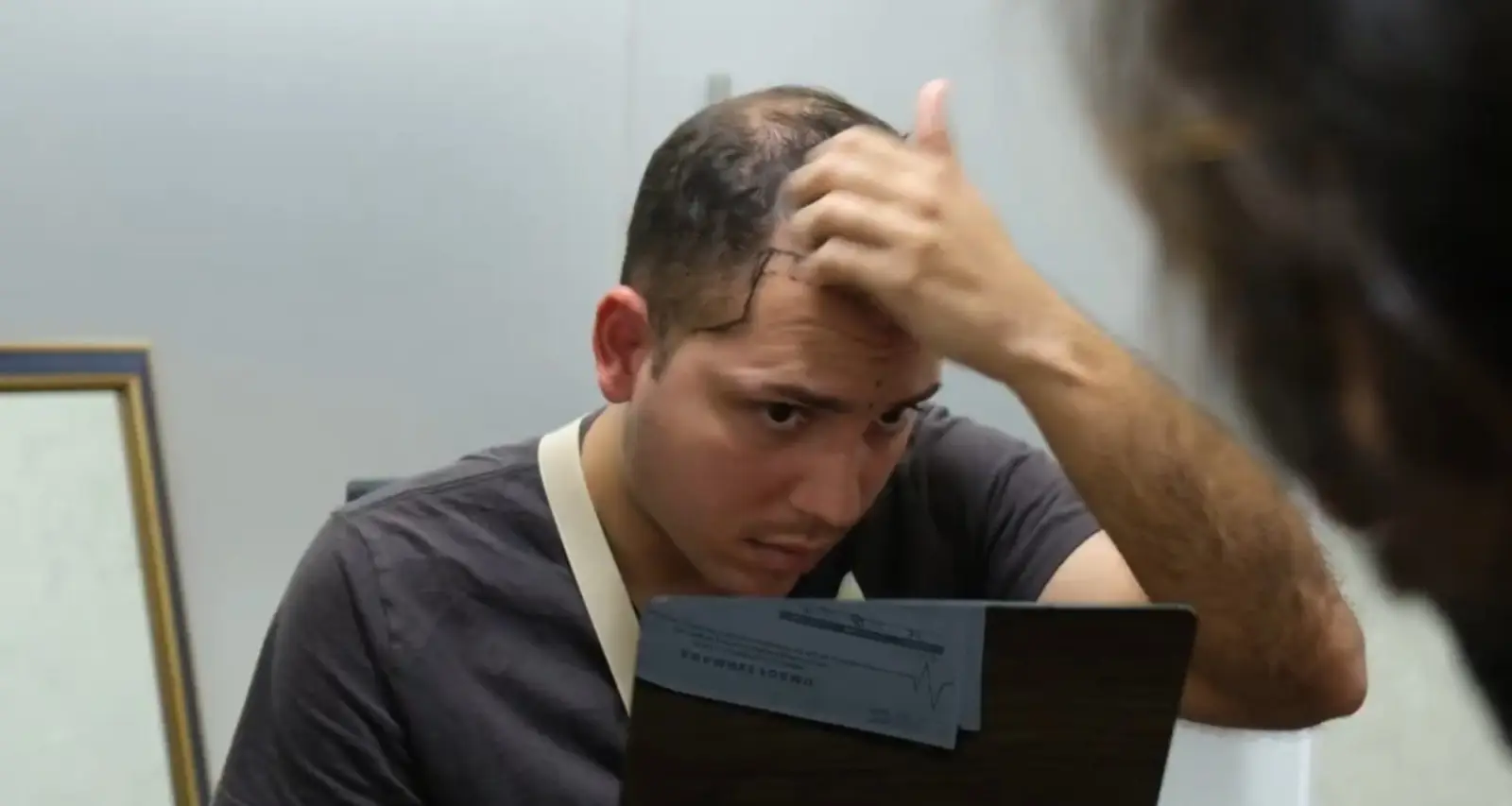
Particularly in men, a slowly receding frontal hairline is one of the clearest signs of hair loss that can progress to male-pattern baldness (androgenetic alopecia).
Sometimes, itching, burning, or flaking accompanies hair loss, suggesting dermatological conditions such as psoriasis, seborrheic dermatitis, or frontal fibrosing alopecia.
Hereditary hair loss causes include androgenetic alopecia, influenced by dihydrotestosterone (DHT).
Pregnancy, thyroid disorders, and menopause can alter hair cycles, leading to shedding or diffuse thinning.
Autoimmune diseases (alopecia areata, lupus), nutritional deficiencies (iron, vitamin D, zinc), and scalp infections can accelerate loss.
Chemotherapy, antidepressants, and blood pressure drugs are well-documented triggers.
Stress, poor diet, and harsh styling practices (tight braids or ponytails leading to traction alopecia) worsen shedding.
Also read – Understanding 8 Common Hair Problems: A Comprehensive Guide – How we solve them at UniquEra
Early recognition is key. If left untreated, follicular miniaturisation progresses, reducing the chances of natural regrowth.
You should consult a dermatologist or trichologist if you:
Medical evaluation often involves scalp examination, trichoscopy, and blood tests to identify systemic causes.
For advanced alopecia, hair transplantation is the most effective and permanent solution. Techniques such as Follicular Unit Extraction (FUE) using Sapphire blades and Direct Hair Implantation (DHI) with a Choi Pen deliver natural-looking density with minimal downtime.
It’s important to understand that if a hair follicle (often referred to as the hair root or follicular pore) has completely closed or scarred over, no medical therapy or topical treatment can revive it. In such cases, surgery remains the only viable option, as new grafts must be implanted into the scalp to restore hair growth.
Turkey has become a global hub for hair restoration due to advanced techniques, skilled experts, and competitive pricing. If you are looking for one of the best clinics in Turkey for hair transplant, UniquEra Clinic stands out. With specialists and state-of-the-art facilities, it offers personalised care and natural-looking outcomes, making it the go-to option for anyone seeking an expert hair transplant in Turkey.
Hair loss can be emotionally distressing, but recognising the early signs of hair loss and seeking timely intervention makes a significant difference. Whether you are wondering “Why is my hair falling out?” or “Why is my hair thinning?”, the key is not to ignore the symptoms. From lifestyle changes and medical therapies to surgical restoration at renowned centres such as UniquEra Clinic, multiple solutions exist. Acting early ensures better outcomes, helping you maintain both confidence and scalp health.